You don't need a nonna in Sicily to make great pasta. What you need are a few simple, authentic recipes that respect a handful of core principles. I've spent years cooking in home kitchens and learning from mistakes—mostly overcooked pasta and gloppy sauces. The real secret isn't complexity; it's doing a few things perfectly. Below are five simple Italian pasta dishes that work every single time, using ingredients you can find anywhere.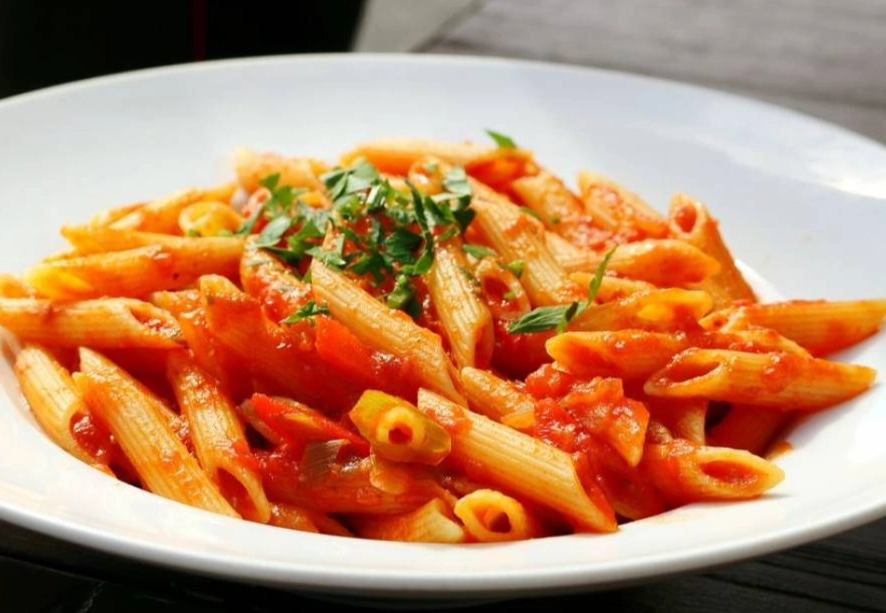
What's Inside This Guide
Five Easy Recipes for Busy Cooks
These aren't just "easy"—they're foundational. Master these, and you've got a repertoire for life. I've included prep time, a realistic difficulty score, and a rough cost per serving to help you plan.
| Recipe | Key Ingredients | Prep/Cook Time | Difficulty | Cost/Serving |
|---|---|---|---|---|
| 1. Cacio e Pepe | Pecorino Romano, black pepper, pasta | 15 mins | Medium (technique-sensitive) | ~$2 |
| 2. Aglio e Olio | Garlic, olive oil, parsley, chili flakes | 20 mins | Easy | ~$1.5 |
| 3. Pasta al Pomodoro | Canned tomatoes, basil, onion | 30 mins | Easy | ~$2 |
| 4. Pasta alla Puttanesca | Canned tomatoes, olives, capers, anchovies | 25 mins | Easy | ~$3 |
| 5. One-Pan Lemon Cream Pasta | Lemon, cream, Parmesan, pasta | 20 mins | Very Easy |
1. Cacio e Pepe: The Simple Test
This Roman dish is a benchmark. It's just cheese, pepper, and pasta water. The challenge is emulsification—making a smooth sauce, not a clumpy mess.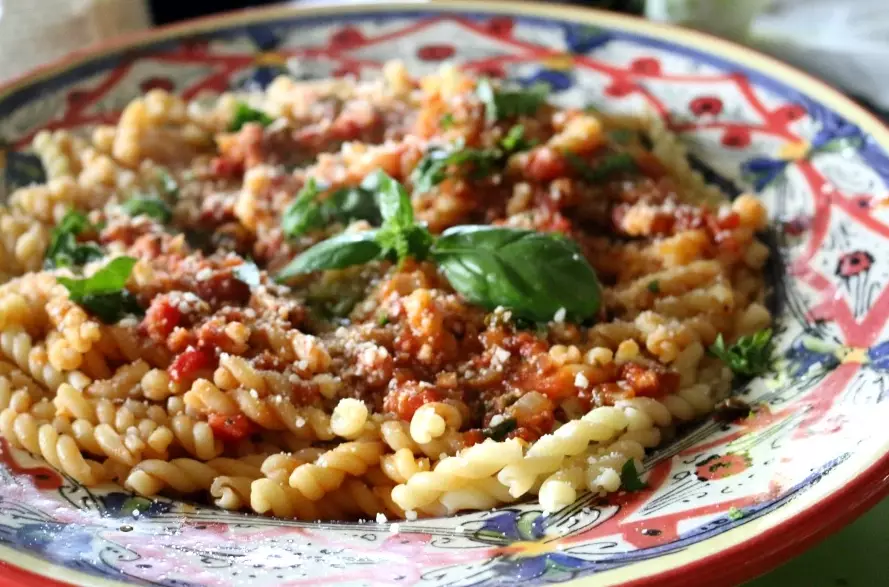
My Method (The Nonna-Approved Shortcut): Forget about a separate bowl. Take your pan off the heat. Add a big ladle of starchy pasta water. Now, toss in your grated Pecorino a little at a time, stirring vigorously with tongs. The residual heat from the pan and pasta is enough. If it starts to clump, add more hot pasta water, not more cheese. The sauce should coat the pasta like a creamy glaze.
Common Mistake: Adding the cheese to a dry, hot pan. It will seize instantly. Always create a watery base first.
2. Spaghetti Aglio e Olio
The ultimate pantry pasta. Slice 4-5 garlic cloves thinly. Cook them slowly in 1/2 cup of good olive oil with a pinch of chili flakes until just golden—never brown and bitter. Toss with cooked spaghetti, a splash of pasta water, and a handful of chopped parsley. That's it.
I use a lot of oil here. It's not a dressing; it's part of the sauce. Don't skimp.
3. Real Pasta al Pomodoro (Not Just Jar Sauce)
Authenticity comes from a soffritto. Finely chop a small onion and cook it gently in olive oil until translucent. Add a 28-oz can of whole San Marzano tomatoes, crushed by hand. Simmer for 20 minutes until thickened. Tear in fresh basil at the end. Toss with short pasta like rigatoni.
The canned tomato quality is everything. San Marzanos are less acidic and sweeter.
4. Pasta alla Puttanesca: The Flavor Bomb
Don't be scared of the anchovies. They melt into the oil, adding depth, not fishiness. In the garlic oil from the Aglio e Olio recipe, add 4 chopped anchovy fillets, a tablespoon of capers, and a handful of pitted olives. Then add your tomatoes and simmer. Salty, briny, and incredibly fast.
5. One-Pan Lemon Cream Pasta (The Weeknight Savior)
This is my cheat meal. Cook pasta in a wide pan with just enough water to cover it. When the pasta is al dente and the water is reduced, turn off the heat. Stir in 1/2 cup heavy cream, the zest and juice of one lemon, and a cup of grated Parmesan. The residual starch thickens it into a luxurious sauce. One pan, 20 minutes, minimal cleanup.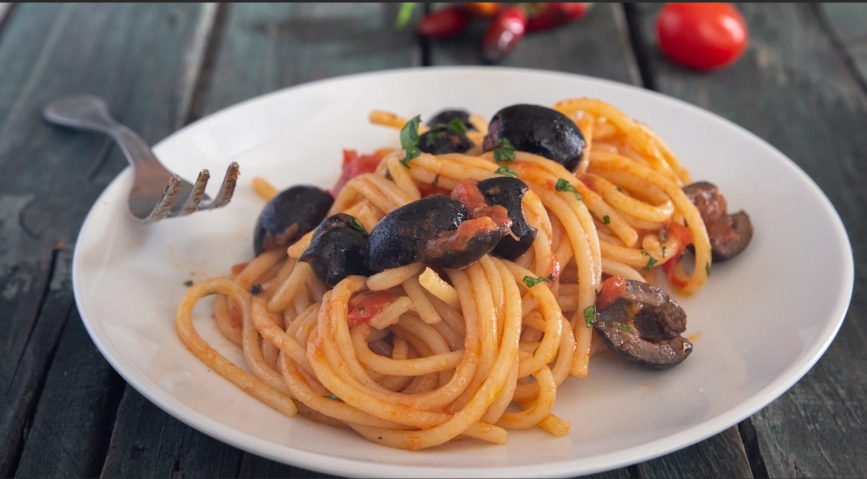
How to Cook Pasta Perfectly Every Time?
It's not just boiling water. Most home cooks get two things wrong: the water amount and the timing.
Use less water than you think. A common recommendation is a huge pot. I use a 3-quart pot for a pound of pasta. Why? The starch released into less water creates a much starchier cooking liquid. This starchy water is gold for finishing your sauce, helping it cling to the pasta. The Italian Ministry of Agricultural, Food and Forestry Policies even highlights the importance of pasta water in sauce cohesion.
Salt the water like the sea. A tablespoon of kosher salt for that 3-quart pot is not too much. The pasta absorbs this seasoning from the inside.
Cook it less than the package says. Packages often list times for mushy pasta. Start tasting a minute or two before the lower end of the range. You want al dente—firm to the bite. It will continue cooking in the sauce.
The biggest micro-mistake? Not reserving a cup of pasta water before you drain. Always, always do this. Then, finish cooking your pasta in its sauce with a splash of that water. The starch binds everything together.
What are the essential ingredients for authentic Italian pasta?
You can build an amazing Italian pantry with five things. Quality matters, but you don't need to spend a fortune.
- Pasta: De Cecco, Barilla, or Rummo are widely available and excellent. Bronze-die cut pasta has a rougher surface that holds sauce better.
- Canned Tomatoes: Look for "DOP San Marzano" or "Cento" brand as a good, reliable alternative. Whole tomatoes you crush yourself are superior to pre-crushed.
- Olive Oil: A decent extra virgin for finishing and a lighter, cheaper one for cooking. Don't fry with expensive EVOO.
- Cheese: A wedge of Parmigiano-Reggiano or Pecorino Romano. Never buy pre-grated. The anti-caking agents make it sandy and it won't melt properly. This is a hill I will die on.
- Salt & Pepper: Kosher salt and whole black peppercorns you grind fresh. The flavor difference is massive.
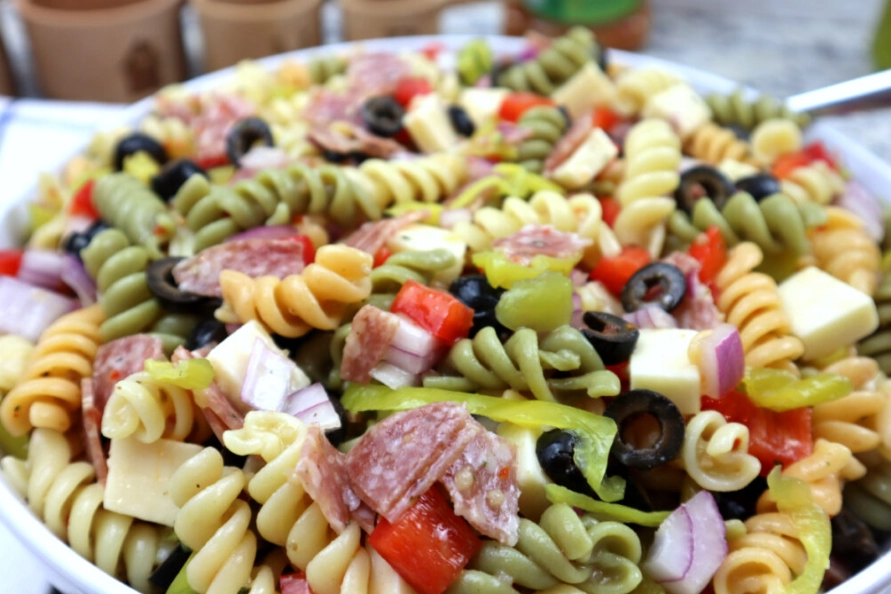
With these, you're 90% of the way to a great meal.
Your Pasta Questions, Answered
Can I use pre-grated Parmesan cheese for these easy recipes?
You can, but the sauce won't be as smooth or flavorful. Pre-grated cheese contains cellulose to prevent clumping, which creates a grainy texture and impedes melting. For dishes like Cacio e Pepe, it can ruin the emulsion. Grating a block takes 60 seconds and is the single biggest upgrade you can make.
My pasta sauce always ends up watery. How do I thicken it quickly?
The problem is usually draining the pasta too well. The fix is already in your pot: starchy pasta water. Instead of draining completely, use tongs to transfer the pasta directly to your sauce pan. Bring a cup of the cooking water with it. Simmer together for 1-2 minutes. The starch will bind the sauce to the pasta and thicken it naturally. Cornstarch is not the Italian way.
 What's the best type of pasta to use for a quick, simple garlic and oil sauce?
Long, thin shapes like spaghetti, linguine, or bucatini are classic for Aglio e Olio. Their surface area allows the oil to coat evenly. Avoid thick shapes like rigatoni for this one—the sauce pools in the tubes instead of clinging. The shape dictates the sauce pairing more than you'd think.
How can I make my easy tomato pasta sauce taste more complex without spending hours?
Add a pinch of sugar? No. Try this: when you cook your onion soffritto, add one tablespoon of tomato paste. Cook it for a minute until it darkens slightly. This concentrates the tomato flavor and adds a subtle sweetness and depth that simulates a longer cook time. A splash of the pasta water at the end also balances the acidity perfectly.
Is it okay to break spaghetti in half before cooking?
In your own kitchen, do what you need to fit the pot. But in Italy, it's a minor culinary sin. The reason isn't just tradition. Long pasta is designed to be twirled on a fork, capturing sauce with each bite. Shorter strands are harder to twirl and eat elegantly. If your pot is small, try angling the spaghetti in and letting the ends soften as it cooks, then gently pushing it down.