Let's be honest. The idea of a family camping trip is magical—stars, marshmallows, kids laughing. The reality of packing for it? It can feel like planning a military expedition into the unknown. You're not just packing for yourself; you're the quartermaster for a squad with diverse needs, short attention spans, and a knack for losing things. I've been there. I've forgotten the can opener, underestimated the cold, and overestimated my kids' enthusiasm for "roughing it." After a decade of refining the process, I've learned that the right family camping checklist isn't just a list of items; it's a blueprint for joy and a shield against chaos.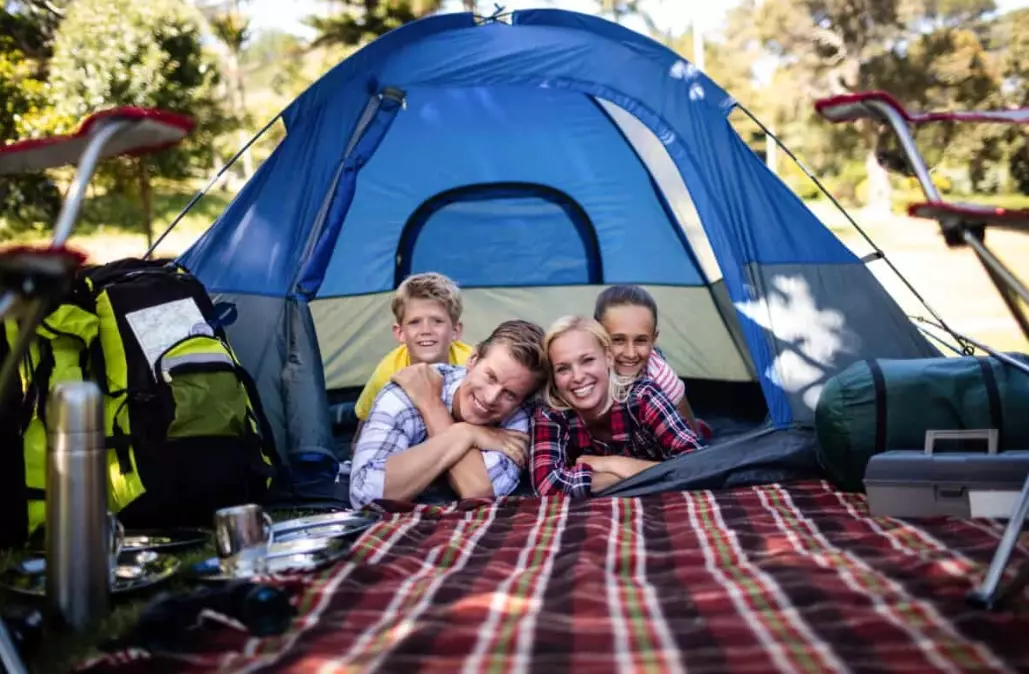
This guide is different. We're moving beyond the generic "tent, sleeping bag, done" lists. We're diving into the why behind each item, the subtle mistakes that ruin trips, and the gear that actually earns its space in your car. Consider this your all-in-one planning hub.
Your Camping Trip Roadmap
Shelter & Sleep System: The Non-Negotiables
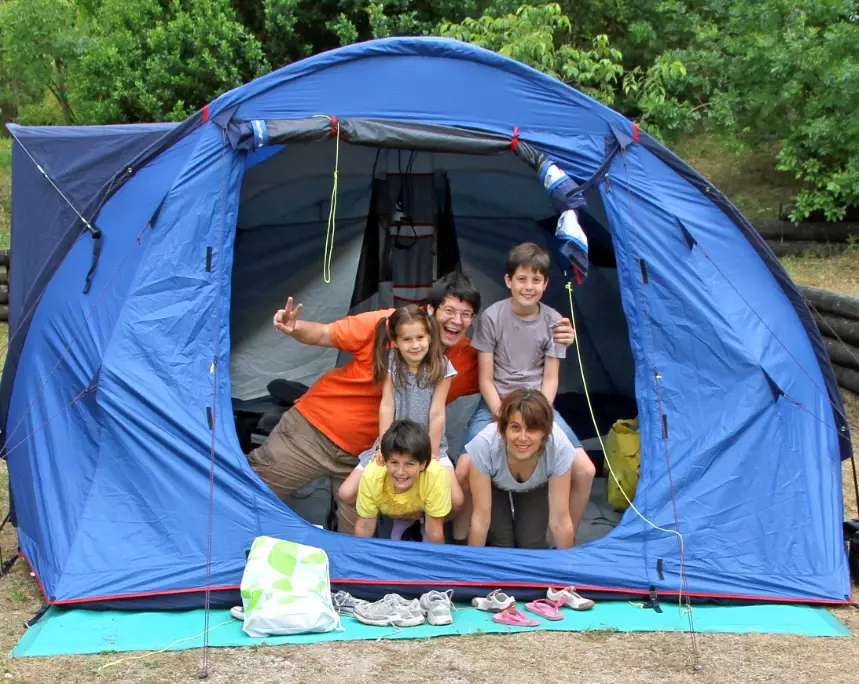
Getting this part wrong guarantees a miserable trip. A common error is choosing a tent based on its "person" rating. A 4-person tent fits four sleeping bags, and nothing else. For a family of four, look at a 6-person tent minimum. You need space for gear, shoes, and a buffer zone when rain forces everyone inside.
Here’s the core shelter and sleep checklist, with some brand-agnostic advice:
- Tent: Size up. Include a footprint (a ground cloth that goes under the tent) to protect the floor. Practice setting it up in your backyard first. Trust me.
- Sleeping Bags: Check the temperature rating. A 30°F bag is for summer; for spring/fall, go lower. Kids' bags should be properly rated for their size.
- Sleeping Pads: This is where people cheap out. A good insulated pad (like those from Therm-a-Rest or similar) is more important than an expensive bag for warmth and comfort. Air mattresses are cold unless specifically insulated.
- Pillows: Pack real pillows or dedicated camping pillows. Stuffing clothes in a sack doesn't cut it after a long day hiking.
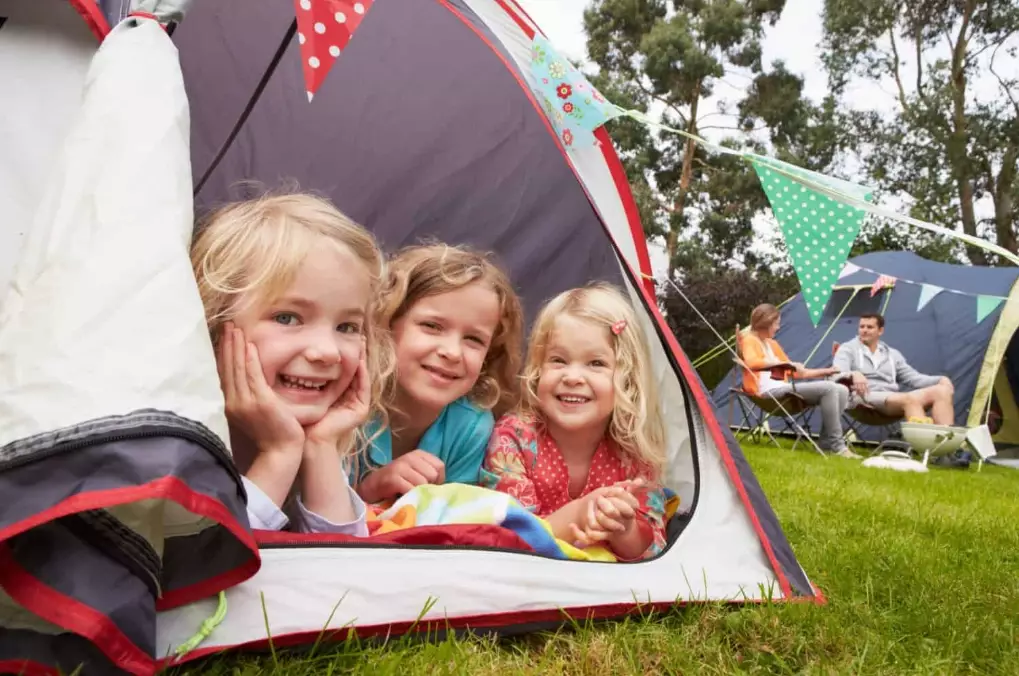
Cooking & Food Essentials: Beyond Hot Dogs
Camp cooking can be a highlight or a disaster. The key is simplicity and redundancy. Plan meals that share ingredients. Think: tortillas for breakfast burritos and lunch wraps, pre-chopped onions and peppers for multiple dishes.
| Category | Essential Items | Common Pitfall to Avoid |
|---|---|---|
| Stove & Fuel | Camp stove (2-burner for families), full fuel canister(s), waterproof matches/lighter, windscreen. | Not testing the stove before you leave. Always do a test ignition. |
| Cookware | Pot with lid, frying pan, kettle for boiling water, sturdy spatula/tongs, sharp knife, cutting board. | Bringing your best non-stick pan from home. It will get scratched. Use dedicated camp cookware. |
| Food & Prep | Cooler with ice/ice packs, meal plan, easy snacks (trail mix, fruit bars), salt/pepper/oil in small containers, biodegradable soap, sponge, small basin for washing. | Overpacking perishables. Stick to 2-3 days max for fresh food, then use shelf-stable items. |
| Water | Large water jug(s) for camp, personal water bottles, water filtration/purification method if sourcing from a lake/stream. | Assuming the campsite has potable water. Always check with the park (e.g., National Park Service website) and bring extra. |
My personal must-have? A collapsible sink. Washing dishes in a frisbee is a messy, water-wasting affair. A $15 sink keeps your site cleaner and makes the job ten times easier.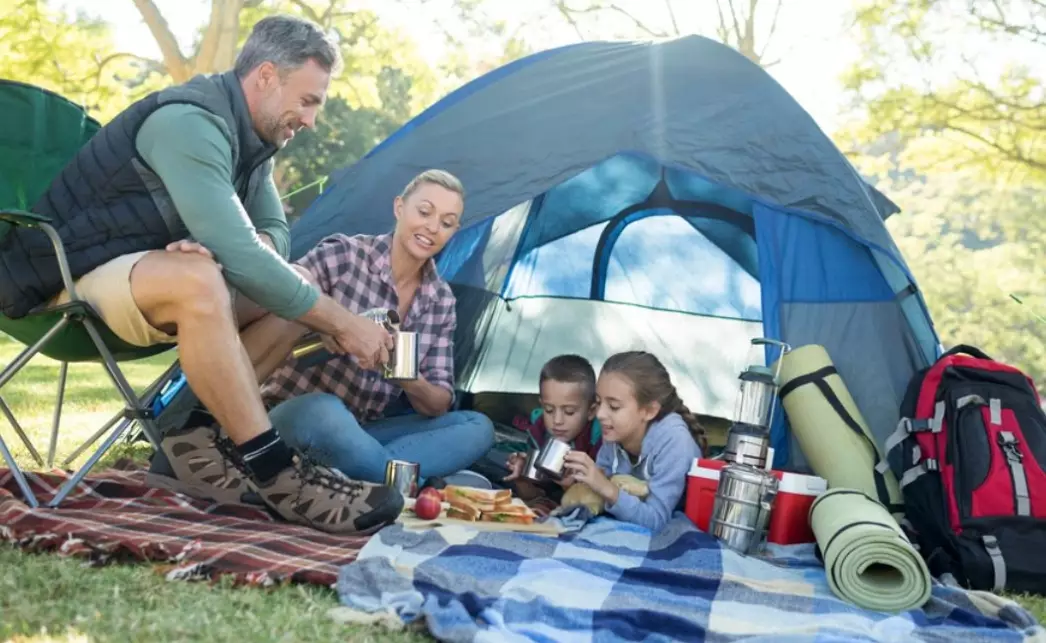
Clothing & Personal Gear: Layer Like a Pro
Cotton kills. Okay, that's for survival situations, but for family camping, cotton disappoints. It holds moisture, takes forever to dry, and leaves everyone chilly. Stick to synthetics (polyester, nylon) and wool.
The golden rule: Pack for the worst weather you might encounter, not the best. Even in summer, mountains get cold at night.
How to Layer Effectively
- Base Layer: Moisture-wicking top and bottom. For kids, this is often just synthetic pajamas.
- Mid Layer: Insulation like a fleece jacket or puffy vest.
- Outer Layer (Shell): Waterproof and windproof jacket and pants. Non-negotiable.
- Extras: Two pairs of socks per day (wool blend), sturdy closed-toe shoes, camp shoes (Crocs or sandals), wide-brimmed hat, beanie for night.
Pack everything in large ziplock bags by category (e.g., "Dad's tops," "Kid 1 pants"). It compresses gear and keeps it dry if your bag gets damp.
Safety & First Aid: What Most Lists Miss
A basic first-aid kit with band-aids isn't enough. You need to tailor it for outdoor mishaps.
Start with a comprehensive kit from a reputable outdoor retailer like REI or Adventure Medical Kits. Then, add these often-forgotten items:
- Blister Care: Moleskin or specialized blister pads. Regular band-aids slide right off sweaty feet.
- Tick Removal Tool: Fine-tipped tweezers or a dedicated tick key. Know how to use it.
- Antihistamine: For unexpected allergic reactions to plants or insects.
- Emergency Blanket: The lightweight metallic kind. Stash one in your daypack.
- Headlamp (with extra batteries): For each adult. Hands-free light is crucial for night-time bathroom trips or dealing with issues after dark.
- Physical Map & Compass: Don't rely solely on your phone. Service is often non-existent. Know the basic layout of the park area.
Kids' Entertainment & Comfort: The Secret Sauce
This is what transforms a "trip" into a "vacation." Bored kids are unhappy kids, and unhappy kids make unhappy parents.
Do Not: Rely on tablets and phones as the primary entertainment. Battery dies, signal is gone. Use them sparingly, as a last-resort reward.
Do: Pack a "Camp Fun" bag. Include:
- Nature scavenger hunt cards (print before you go).
- A magnifying glass and small bug container (with air holes!).
- Glow sticks for night-time fun and as markers around the tent.
- A deck of cards, travel games.
- Their own small headlamp or flashlight (a huge hit).
- A familiar comfort item—a small stuffed animal, a special blanket.
Involve them in camp chores appropriate to their age: gathering kindling (with supervision), stirring pancake batter, pumping water. It gives them ownership.
Packing & Execution: Your Master Plan
You have the list. Now, how do you make it happen without forgetting the coffee?
I use a three-stage system in the week leading up to the trip:
- The Staging Area (5-7 days out): Designate a corner of a room or use large bins. As you think of items, put them there. This catches all the non-standard stuff like that favorite book or the extra camera battery.
- The Gear Check (2 days out): Go through your master checklist (you can find a great template from sources like REI's camping checklist) item by item, pulling from the staging area and checking functionality. Test lanterns, inflate sleeping pads to check for leaks.
- The Car Pack (Day before): Pack strategically. Items needed last (tent, sleep gear) go in first. Items needed first (lunch, rain jackets) go in last. Keep a small "first night" box with essentials: headlamps, toilet paper, a simple dinner, and the kids' pajamas. That way, if you arrive late, you're not unpacking the entire car in the dark.
Your Family Camping Questions Answered
What's the one item most families forget on their first camping trip?
A mallet or hammer for driving tent stakes. You'll find a rock, but it's awkward and can damage your stakes. A small rubber mallet is cheap and makes setup infinitely easier. Also, a roll of duct tape. It fixes a torn tent fly, a broken pole splint, a leaking air mattress, and even a shoe.
How do I handle bad weather with young kids in a tent?
First, accept it will happen. The secret is preparation and attitude. Before the rain hits, ensure your rainfly is taut and guylines are secure. Dig a small trench around the tent if you're on a slope (leave no trace by filling it in later). Inside, create a cozy "den" with sleeping bags and pillows. Have a stockpile of quiet, contained activities: storybooks, card games, drawing. Frame it as an adventure—"Listen to the rain on our roof!"—not an inconvenience. A dry tent with a good book beats a wet one with complaining every time.
 We want to camp but have a baby. Is it possible without a huge RV?
Absolutely, but your checklist changes. A portable playpen is your best friend—it's a safe, clean sleep space and containment zone. A battery-powered white noise machine helps drown out campground sounds. Bring way more changes of clothes than you think—everything gets dirty. Pre-make and freeze baby food in portions, using them as ice packs in the cooler before you eat them. Choose a campsite close to the restroom and water source. It's more work, but seeing a baby mesmerized by firelight is priceless.
What's your opinion on meal planning vs. just winging it?
Winging it is a recipe for stress, wasted food, and hungry, cranky campers. You don't need a gourmet plan, but you need a framework. Write down: Breakfast 1: Oatmeal & fruit. Lunch 1: Wraps & chips. Dinner 1: Pre-made chili reheated. This tells you exactly what to pack and prevents the "what's for dinner?" panic at 5 PM when everyone is tired. Prep what you can at home—chop veggies, mix pancake dry ingredients in a jar, marinate meat and freeze it.
How can I make sure my kids respect nature and the campsite?
Teach "Leave No Trace" principles simply before you go. Make it a game: "We're nature detectives leaving no clues." Assign them a job like "Trash Scout" to ensure nothing is left behind. Explain why we stay on trails, don't feed animals, and keep noise down. Kids are naturally curious; guide that curiosity into respect rather than imposing a list of "don'ts." When they pick up litter someone else left, they feel proud, not lectured.