Let's cut to the chase. You've booked that dream climb—maybe it's Kilimanjaro, Rainier, or a technical peak in the Alps. The excitement is real, but then a quiet panic sets in. "Am I fit enough?" That's the question that keeps most aspiring climbers up at night. I've been there. I've also seen incredibly strong gym athletes gas out at 14,000 feet because their training missed the mark completely. Mountain climbing training isn't about getting a six-pack or maxing your bench press. It's a specific, brutal, and beautiful blend of endurance, strength, and mental grit tailored to the mountain's unique demands.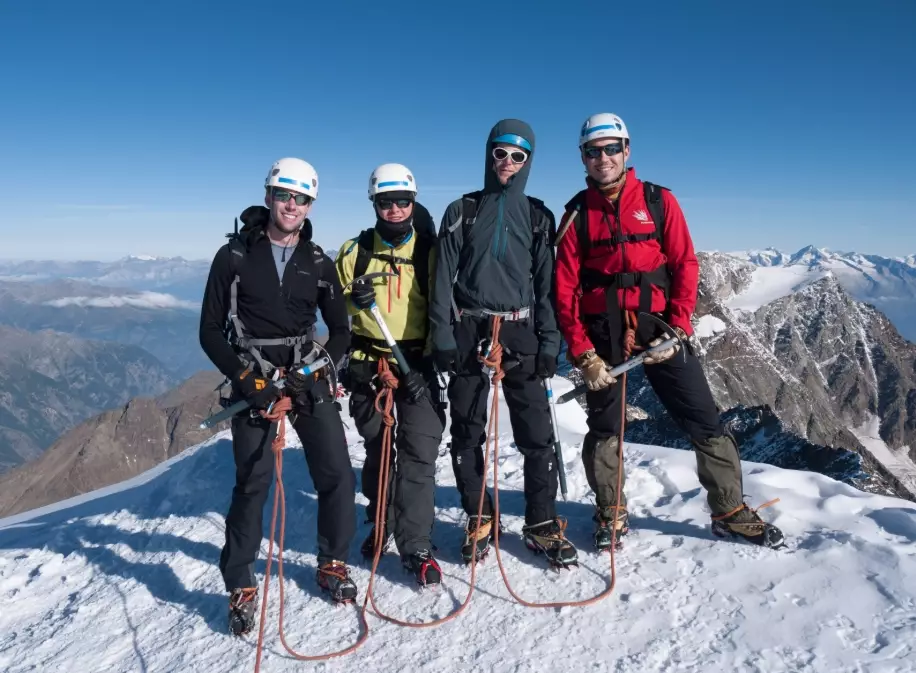
This guide is what I wish I had before my first major expedition. We'll move past generic fitness advice and build a plan that actually prepares you for long days with a pack, thin air, and relentless terrain.
What You’ll Learn
What Makes Mountain Fitness Unique?
Think of a mountain climb as a 6-10 hour daily marathon, but with a 30-50 lb backpack, on a steep, uneven staircase, in less oxygen. Your training must reflect this trifecta:
- Aerobic Engine (The Foundation): This is your most important asset. You need a base that allows you to move at a steady, sustainable pace for hours. It's not about speed; it's about durability. A study published in the Journal of Wilderness & Environmental Medicine consistently cites aerobic capacity (VO2 max) as the primary predictor of success and lower illness rates on high-altitude treks.
- Leg Strength & Muscular Endurance: Your quads, glutes, and calves must repetitively lift your body and pack weight thousands of times per day, especially on descents which are notoriously punishing. Pure strength fades; you need the ability to keep producing force.
- Stability & Balance: Rocky trails, scree slopes, and tired legs are a recipe for twisted ankles or worse. Training your stabilizing muscles (ankles, knees, hips, core) is non-negotiable for safety.
How to Create a Mountain Climbing Training Plan?
A structured plan beats random workouts every time. Aim for a 12-16 week dedicated training block before your climb. Here’s a blueprint, broken into phases. Consistency over intensity, especially at the start.
Phase 1: Base Building (Weeks 1-4)
Goal: Develop aerobic base and foundational strength. No heroics.
Frequency: 4-5 days/week.
Key Sessions: - Long, Slow Distance (LSD): One 60-90 minute hike, bike, or jog per week at a pace where you can hold a conversation. Heart rate in Zone 2. - Full-Body Strength: Two sessions focusing on squats, lunges, step-ups, push-ups, rows, and planks. Use moderate weight, higher reps (12-15). - Active Recovery: Easy 30-45 minute walks or swims.
Phase 2: Strength & Endurance (Weeks 5-8)
Goal: Increase load and specific movement patterns.
Frequency: 5 days/week.
Key Sessions: - Weighted Hikes/Stair Sessions: The cornerstone. Once a week, hike with a progressively heavier pack (start with 20 lbs, work to 40+ lbs). Find a hill or stadium stairs. 60-75 minutes. - High-Rep Strength Circuits: Replace one strength day with a circuit of step-ups with weight, lunges, box squats. Minimal rest, mimicking continuous effort. - Maintain LSD: Keep one long, unweighted aerobic session.
Phase 3: Peak & Specificity (Weeks 9-12)
Goal: Simulate climb conditions and peak fitness.
Frequency: 5-6 days/week.
Key Sessions: - Back-to-Back Long Days: On a weekend, simulate expedition life. Saturday: 3-4 hour weighted hike. Sunday: 2-3 hour hike (lighter pack). This trains recovery more than anything. - Interval Training: Add one session of hill repeats or treadmill intervals to boost VO2 max. 4-6 x 3-minute hard efforts on an incline. - Technical Practice: If your climb involves scrambling or rope work, practice now.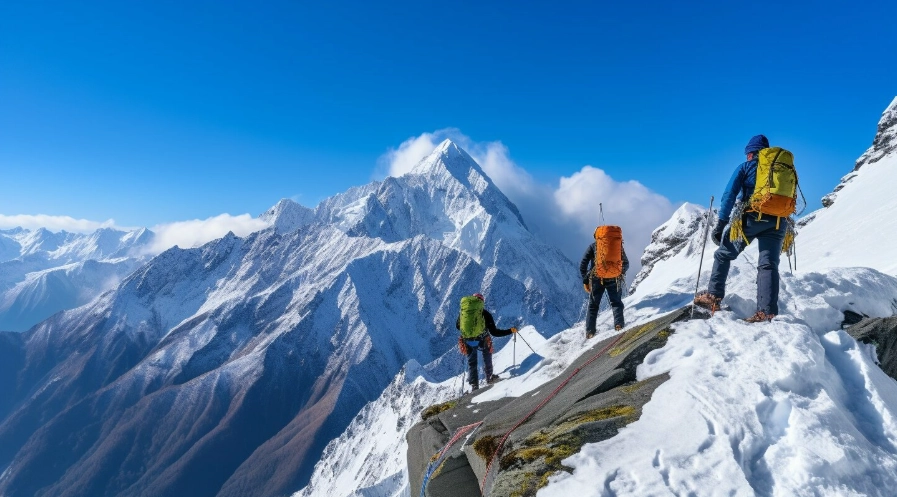
| Week Block | Primary Focus | Key Workout | Pack Weight Target |
|---|---|---|---|
| 1-4 | Aerobic Base & Foundational Strength | Long Slow Distance (60-90 mins) | Bodyweight only |
| 5-8 | Strength-Endurance & Load | Weekly Weighted Hike/Stair Session | 20 lbs → 40+ lbs |
| 9-12 | Specificity & Peak Volume | Back-to-Back Long Days | 30-50% of bodyweight |
Critical Supplemental Training: Weight & Altitude
This is where good training becomes great.
Weighted Pack Training: Don't just add weight randomly. Load it as you would on the mountain—heavy items close to your back, centered. Use water bottles to easily adjust weight. Focus on your form, especially on the downhill. A sloppy descent with 40 lbs will wreck your knees faster than anything.
Altitude Preparation: If you live at sea level, you can't fully acclimate at home. But you can improve your body's efficiency. - Hypoxic Training: Mask training is controversial and can be unsafe if done wrong. A more accessible and proven method is intermittent hypoxic exposure (IHE) using an altitude generator while resting, which some studies suggest can aid acclimatization. The real-world gold standard, however, is arriving at your destination early (2-4 days) to acclimatize naturally. - Controlled Ascent: Programs like those recommended by the International Society of Mountain Medicine emphasize "climb high, sleep low." Plan your itinerary with this in mind.
Fueling and Recovery: The Unseen 50%
You can't out-train a bad diet, especially up high.
Nutrition: During long training hikes, practice your climb-day nutrition. Aim for 200-300 calories per hour from easily digestible carbs (gels, chews, bananas, bars). Hydration is critical—sip constantly, don't chug. Your urine should be light yellow.
Recovery: This is when your body adapts and gets stronger. - Sleep: Non-negotiable. 7-9 hours. - Post-Workout Nutrition: Within 30-60 minutes, consume a mix of protein and carbs (a smoothie, chocolate milk). - Active Recovery: Light walking, foam rolling, stretching on off-days. - Listen to Your Body: Persistent joint pain is a warning sign. It's better to miss one workout than to be injured and miss the climb.
Your Mountain Training Questions Answered
 Is mountain climbing training safe for older adults or beginners?