Let's cut to the chase: gourmet cooking isn't about fancy ingredients or expensive tools. It's about mastering a handful of techniques that transform ordinary dishes into something extraordinary. I've spent over a decade in professional kitchens, and I've seen home cooks struggle with the same things—overcooked proteins, broken sauces, and wasted effort. Here's the truth: you can achieve restaurant-quality results at home by focusing on a few key methods. This guide dives deep into sous vide, emulsification, tempering, and more, with practical steps and the mistakes everyone makes but no one talks about.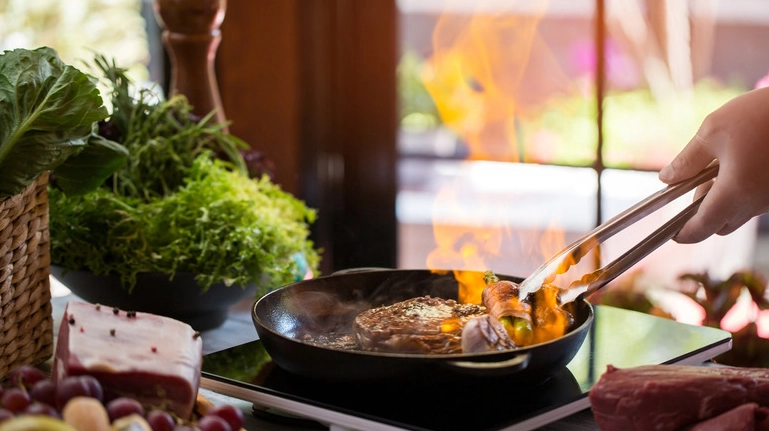
What You'll Learn in This Guide
What Are Gourmet Cooking Techniques and Why They Matter
Gourmet cooking techniques are the methods professional chefs use to control heat, texture, and flavor with precision. Think of them as the building blocks of high-end cuisine. They're not just for fancy restaurants; they make your everyday cooking more reliable and impressive. For example, sous vide ensures your steak is perfectly cooked edge-to-edge, while emulsification gives you silky sauces without splitting. I remember trying to make hollandaise sauce for the first time—it curdled because I rushed the process. That's a common pain point: lack of patience and understanding of the science behind it.
Why bother? Because these techniques save time in the long run. You'll waste less food, get consistent results, and impress your guests. According to sources like America's Test Kitchen, mastering these methods can elevate home cooking by 50% in terms of flavor and presentation. It's not about being elitist; it's about cooking smarter.
Essential Gourmet Techniques Every Home Cook Should Know
Here are three techniques that will change your cooking game. I'll break them down with steps, but also share the nuances most guides miss.
Sous Vide: Precision Cooking for Perfect Results
Sous vide means "under vacuum" in French. You seal food in a bag and cook it in a water bath at a precise temperature. The result? Meat that's juicy throughout, vegetables with perfect texture. You don't need a fancy setup; a basic immersion circulator works. The trick is timing. For a medium-rare steak, set the water to 130°F (54°C) and cook for 1-2 hours. But here's a non-consensus view: many people overlook the importance of drying the meat before searing. If you skip that, you'll steam it instead of getting a crisp crust. I learned this the hard way when I served a soggy steak to friends.
Steps:
- Season your protein generously.
- Vacuum-seal or use a zip-top bag with the air pushed out.
- Set the water bath to the desired temperature (e.g., 130°F for beef).
- Cook for the recommended time—check resources like Serious Eats for charts.
- Pat dry and sear in a hot pan for 30 seconds per side.
Emulsification: The Secret to Creamy Sauces and Dressings
Emulsification is combining two liquids that don't normally mix, like oil and vinegar. It's key for vinaigrettes, mayonnaise, and hollandaise. The common mistake? Adding oil too quickly. You need to drip it in slowly while whisking vigorously. I once made a broken aioli because I got impatient and poured the oil in a stream. It turned into a greasy mess. The fix: start with a stable base, like egg yolk or mustard, and use room-temperature ingredients. A tip from The Culinary Institute of America is to add a teaspoon of water if the emulsion starts to separate—it helps rebind everything.
Pro Tip: For a foolproof vinaigrette, use a blender. It creates a stronger emulsion than hand-whisking, and you can adjust flavors easily. Try 3 parts oil to 1 part acid, plus a pinch of salt.
Tempering Chocolate: Avoiding the Dreaded Bloom
Tempering chocolate gives it a shiny finish and a crisp snap. It involves melting and cooling chocolate to specific temperatures. Most home cooks skip this and end up with dull, streaky chocolate that melts too easily. The pain point here is temperature control. You need a thermometer. Melt dark chocolate to 115°F (46°C), cool it to 80°F (27°C), then reheat to 88°F (31°C). Sounds tedious, but it's worth it for desserts. I tempered chocolate for truffles once without a thermometer—it bloomed (white streaks appeared) because the crystals didn't form properly. Lesson learned: invest in a digital thermometer.
Common Mistakes and How to Avoid Them
Even with the right techniques, errors creep in. Here's a table summarizing frequent slip-ups and solutions.
| Mistake | Why It Happens | How to Fix It |
|---|---|---|
| Overcooking sous vide proteins | Setting the temperature too high or leaving food in too long | Use a timer and stick to recommended times; check doneness with a probe |
| Breaking emulsions | Adding oil too fast or using cold ingredients | Whisk slowly, start with room-temperature bases, and add stabilizers like mustard |
| Chocolate blooming | Improper tempering or moisture exposure | Control temperatures precisely and store in a dry place |
| Not resting meat after cooking | Impatience; cutting too soon loses juices | Let meat rest for 5-10 minutes to redistribute juices |
I've made all these mistakes. For instance, I used to slice steak right out of the pan, and it would bleed all over the plate. Now I wait—it makes a huge difference. Another subtle error: using the wrong oil for emulsification. Olive oil can be too strong for delicate sauces; try neutral oils like grapeseed.
Tools and Equipment for Gourmet Cooking
You don't need a kitchen full of gadgets, but a few tools are essential. Here's my must-have list based on years of trial and error.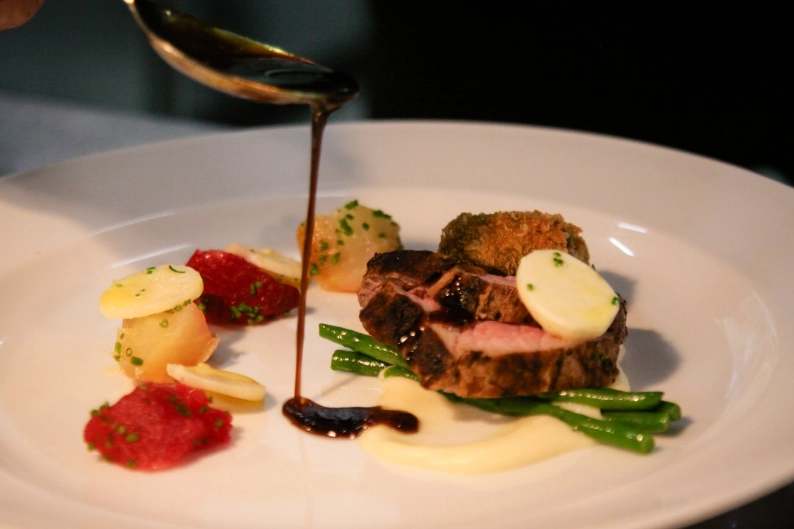
- Immersion Circulator: For sous vide. Brands like Anova or Joule are reliable. Cost: around $100-200. It's worth it if you cook meat frequently.
- Digital Thermometer: Critical for tempering and checking doneness. I use a ThermoPop—it's fast and accurate. Price: about $30.
- High-Speed Blender: For emulsions and purees. A Vitamix is great, but a mid-range blender works too. I burned out a cheap one making nut butters, so invest in durability.
- Vacuum Sealer: Optional for sous vide, but it improves results. FoodSaver is a common brand. If you're on a budget, zip-top bags with the water displacement method work fine.
I started with just a thermometer and a pot for water baths. Over time, I added tools as I needed them. Don't feel pressured to buy everything at once. Focus on techniques first; tools come later.
Case Study: Transforming a Simple Dish with Advanced Techniques
Let's take a basic chicken breast—often dry and bland—and turn it into a gourmet meal using the techniques above. This shows how they work together.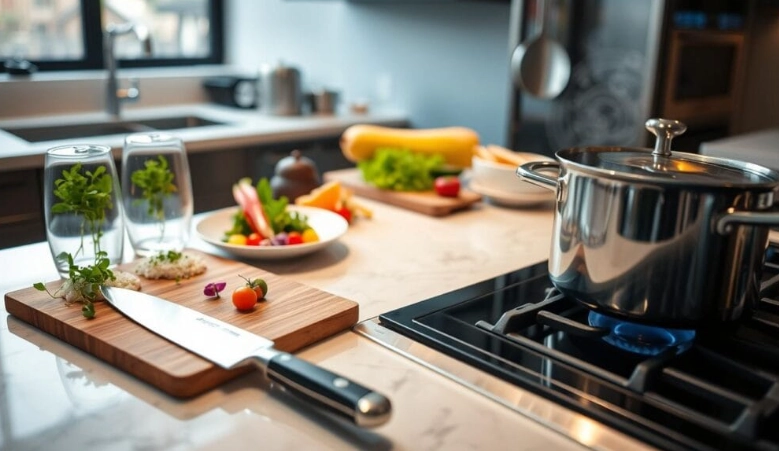
Scenario: You're cooking for four people and want to impress. The goal: juicy chicken with a creamy sauce.
Step 1: Sous Vide the Chicken
Season chicken breasts with salt, pepper, and herbs. Seal in bags and cook in a water bath at 145°F (63°C) for 1.5 hours. This ensures they're cooked through but still moist. Pat them dry after cooking.
Step 2: Make an Emulsified Sauce
While the chicken cooks, prepare a lemon-butter sauce. Melt 4 tablespoons of butter, then whisk in 2 tablespoons of lemon juice slowly to create an emulsion. Add a pinch of salt and chopped parsley. Keep it warm over low heat.
Step 3: Sear and Serve
Sear the chicken in a hot pan for 1 minute per side to get a golden crust. Plate it and drizzle with the sauce. The result? Tender chicken with a velvety sauce that doesn't separate.
I did this for a dinner party last month, and guests thought I'd ordered takeout from a fancy restaurant. The key was timing: I started the sous vide early, so the chicken was ready when I needed it. This approach reduces stress and improves flavor.
FAQ: Your Gourmet Cooking Questions Answered
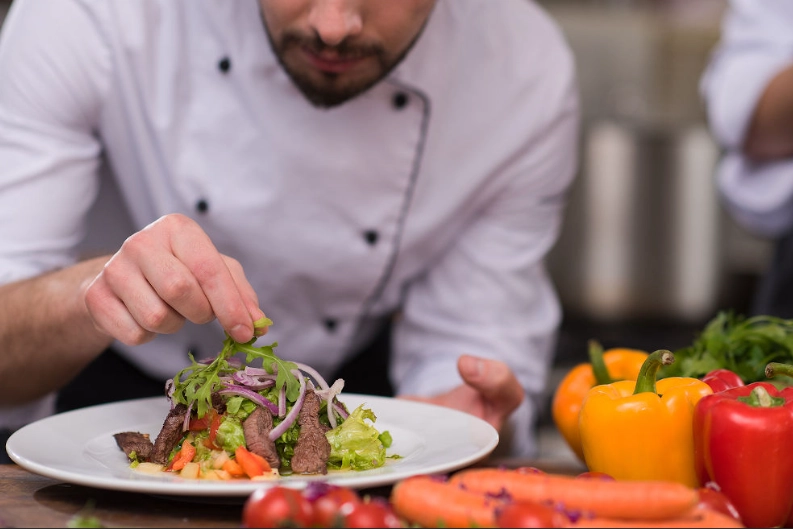 These techniques might seem daunting at first, but they're just skills you can build over time. I still mess up sometimes—like when I over-tempered chocolate and had to start over. But that's part of the learning curve. Focus on the basics, use the right tools, and don't be afraid to experiment. Your kitchen will feel more like a chef's domain in no time.