Let's be honest. Planning a Kyoto temple tour can feel overwhelming. You've seen the pictures of the golden pavilion and the endless red gates, but the city has over 1,600 temples. Where do you even start? Most guides just list the top 5 and call it a day, leaving you with a generic, crowded experience. After more visits than I can count, I've learned that the magic isn't in checking boxes. It's in understanding the rhythm of the city, knowing which alley leads to a quiet garden, and matching a temple's vibe to your own mood. This isn't another listicle. It's a practical blueprint to build a Kyoto temple tour that actually feels personal and profound, not like a rushed pilgrimage on a tour bus schedule.
Your Quick Guide to Kyoto's Temple Scene
Why “Kyoto Temple Tours” Feels Overwhelming (And How to Fix It)
The problem isn't a lack of information. It's too much of the wrong kind. You're told to see Kinkaku-ji, Kiyomizu-dera, and Fushimi Inari (which you should), but you're rarely told how to see them. The classic mistake? Trying to cram northern, eastern, and southern Kyoto temples into one day. You'll spend more time on buses than in contemplation. Kyoto's geography is your first filter. Temples are clustered. Arashiyama in the west, Higashiyama in the east, Northern Kyoto around Kinkaku-ji. Pick a cluster, not a checklist.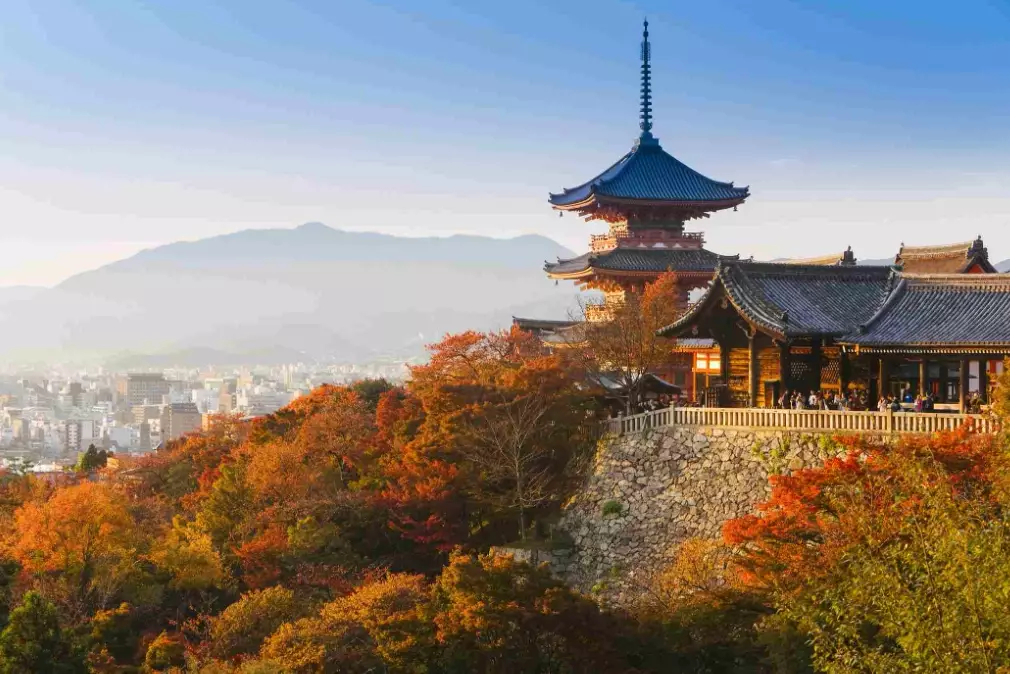
A Non-Consensus View: Kinkaku-ji (The Golden Pavilion) is stunning, but it's also a victim of its own beauty. The viewing path is a one-way, crowded conveyor belt. For many, it feels more like a photo op than a spiritual site. If you seek quiet reflection, balance it with a visit to Ryoan-ji, its serene rock garden just a 10-minute walk away, or consider if Ginkaku-ji (The Silver Pavilion) in the east, with its sublime moss garden and walking path, might actually resonate more.
Your Planning Blueprint: Practical Kyoto Temple Itineraries
Here’s where we move from theory to action. These itineraries are built on location logic and pacing, not just fame.
The “Classic First-Timer” One-Day Kyoto Temple Tour
This focuses on the Higashiyama (Eastern Hills) area, which is walkable and dripping with atmosphere.
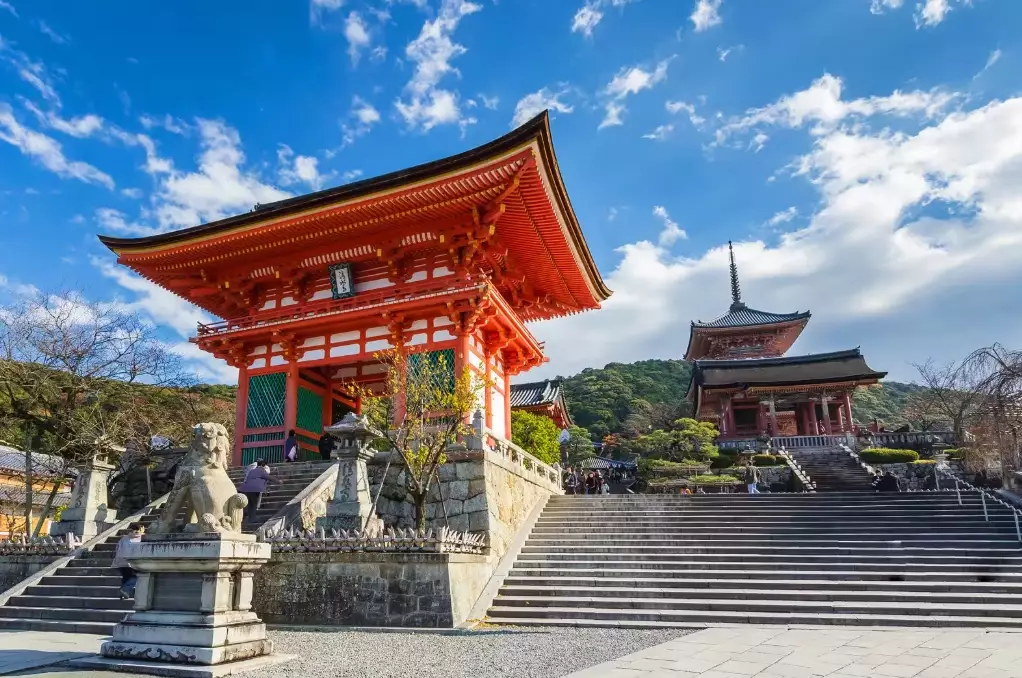
- Morning (8:30 AM): Start at Kiyomizu-dera. Yes, it's crowded, but going near opening time is key. The view from the stage is worth it. Explore the Otawa Waterfall and the quieter sub-temples behind the main hall. (Admission: 400 yen. Open 6:00-18:00, hours vary seasonally. Access: Bus 100 or 206 from Kyoto Station.)
- Late Morning: Walk down the stone-paved Sannen-zaka and Ninen-zaka slopes. This is old Kyoto. Don't just power through; peek into the shops.
- Afternoon (1:00 PM): Continue to Kodai-ji Temple. Often overlooked, it has incredible bamboo groves, a rock garden, and is far more peaceful. (Admission: 600 yen. Open 9:00-17:00.)
- Late Afternoon (3:30 PM): End at Ginkaku-ji (The Silver Pavilion). Walk the Tetsugaku-no-Michi (Philosopher's Path) towards it. The garden here, with its perfectly railed sand cone, is a masterpiece of understated beauty. (Admission: 500 yen. Open 8:30-17:00.)
The “Deep Dive” Two-Day Kyoto Temple Itinerary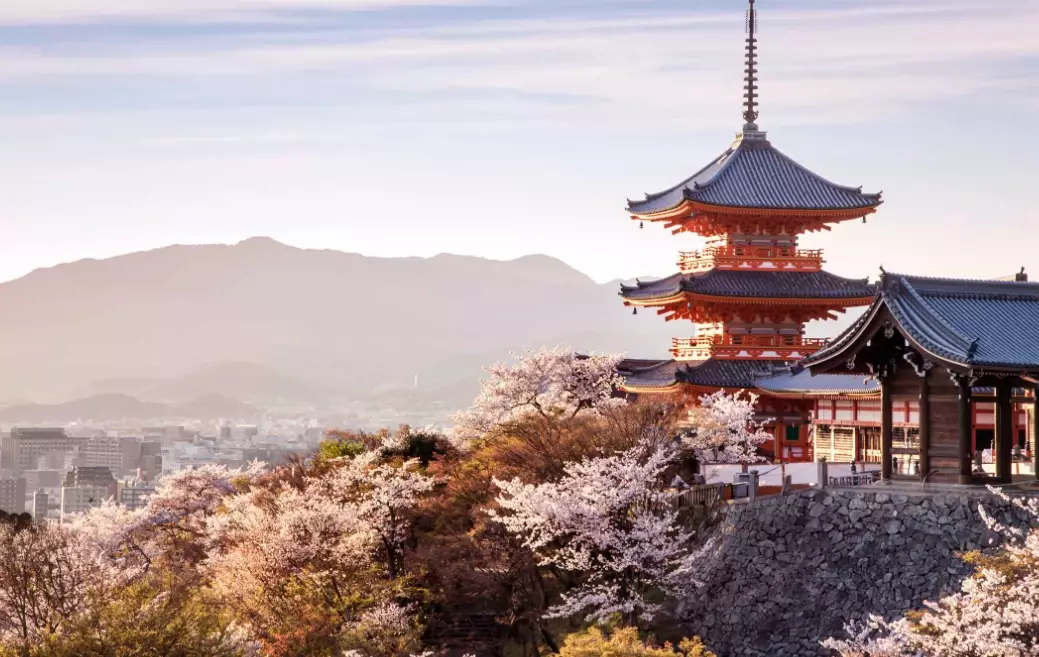
Day 1: Follow the Higashiyama itinerary above, but at a slower pace, adding Maruyama Park and Yasaka Shrine.
Day 2: Combine the south and north.
- Sunrise (Optional but Magical): Fushimi Inari Taisha. The gates are always open. For the iconic experience without the tour groups, you need to be there by 7:30 AM at the latest. Hike up to the Yotsutsuji intersection for the city view. (Admission: Free. Open 24 hours. Access: JR Nara Line from Kyoto Station to Inari Station, 5 min.)
- Late Morning: Train/bus to Kinkaku-ji. See it, accept its crowded nature, get your photo.
- Afternoon: Walk to Ryoan-ji for its famous karesansui (rock garden). Sit and just look. (Admission: 500 yen. Open 8:30-17:00.) Then, if energy allows, the sprawling Ninna-ji is nearby with a beautiful palace.
Top Temples: A Deep Dive Beyond the Brochure
Here’s a detailed look at the heavy-hitters and a few curveballs. This table gives you the logistical core.
| Temple | Key Feature | Admission & Hours | Access & Crowd Tip | My Personal Take |
|---|---|---|---|---|
| Kinkaku-ji (Golden Pavilion) |
The gold-leaf covered pavilion over a pond. | 500 yen 9:00-17:00 |
Bus 101, 205 from Kyoto Stn. Tip: Go on a weekday, right at opening or an hour before closing. Rainy days thin crowds. | Breathtaking but brief. The one-way path feels rushed. Pair it with Ryoan-ji to balance spectacle with serenity. |
| Kiyomizu-dera | Wooden stage with panoramic city views. | 400 yen 6:00-18:00 (varies) |
Bus 100, 206. Tip: The main hall opens at 6 AM, but the gates to the stage area open at the time listed. Early morning is best. | The view is iconic for a reason. Explore the Jishu Shrine (love stones) and the quieter Okuno-in hall behind. |
| Fushimi Inari Taisha | Thousands of vermilion torii gates on a mountainside. | Free, 24 hours | JR Inari Station. Tip: Most crowds cluster near the base. A 30-minute walk up brings relative quiet. Sunrise or late evening (after 8 PM) are sublime. | Don't just walk under the first gates. Hike. The higher you go, the more personal it becomes. The view at Yotsutsuji is worth the climb. |
| Ginkaku-ji (Silver Pavilion) |
Subtle beauty, iconic sand garden, moss garden. | 500 yen 8:30-17:00 |
Bus 5, 17, 100. Tip: Visit after 3 PM when day-tour groups start leaving. The light is softer. | My personal favorite. The “Sea of Silver Sand” garden is more impressive to me than gold. The walking path through the moss garden is meditative. |
| Ryoan-ji | Japan's most famous karesansui (rock garden). | 500 yen 8:30-17:00 |
Short walk from Kinkaku-ji. Tip: Sit on the veranda. Give it at least 10-15 minutes of quiet observation. | This is about contemplation, not photography. The 15 rocks are arranged so you can never see all at once from any angle—a lesson in perspective. |
Now, for the curveball. If you have an extra half-day, skip the crowds entirely and head to Ohara, north of the city. Sanzen-in is a royal temple with a stunning moss garden (Ojo Gokuraku-in) and massive ancient trees. It feels a world away. The bus ride is about 45 minutes, but you'll be sharing the space with whispers, not tour guides. (Admission: 700 yen. Open 9:00-17:00. Access: Kyoto Bus 17 from Kyoto Station to Ohara.)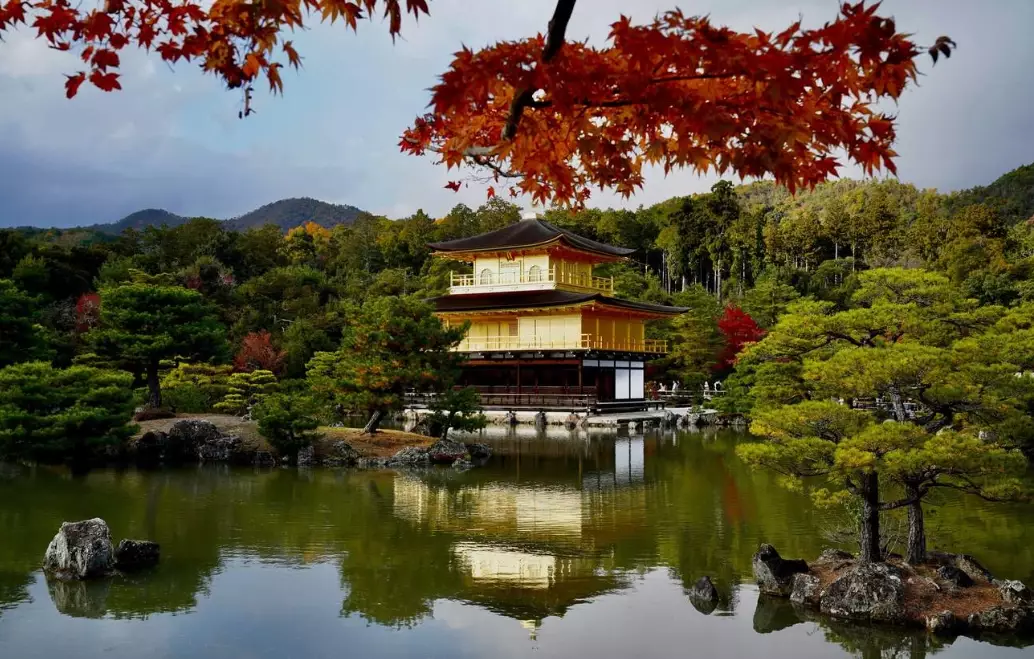
Expert Tips to Actually Avoid the Crowds
Everyone says “go early.” That's good, but basic. Here's the nuanced advice.
Embrace the Shoulder Hours. Lunchtime (12-1:30 PM) can be surprisingly thin at some temples as large tour groups head to restaurants. Late afternoon, 90 minutes before closing, is often golden. The light is better for photos too.
Think Vertically at Fushimi Inari. The base is a carnival. Walk for 20-30 minutes. The crowds drop exponentially after the first major rest point. You'll have whole sections of gates to yourself.
Use Public Transit Like a Pro. The JR Pass is great, but for temple hopping, a one-day Kyoto City Bus Pass (700 yen) is often more practical. Google Maps is accurate for real-time bus/train schedules. For official route maps, the Kyoto City Official Tourism Guide website is a reliable source.
The Weather is Your Ally. A light drizzle or overcast day scares away the fair-weather crowds. The stones glisten, the moss looks electric, and the atmosphere is authentically moody. Pack a compact umbrella.
Your Kyoto Temple Tour Questions, Answered
 What should I wear and bring for a day of temple touring?