Let's be honest. The biggest barrier for most new hikers isn't fitness or finding a trail. It's the paralyzing question of what to bring. You browse online, see lists with 50 items, photos of people with gigantic backpacks, and terms like "10-point crampons" and "4-season tent." It's enough to make you think hiking requires a second mortgage.
It doesn't. For your first few day hikes, you need about ten things. Not fifty. The core philosophy for beginner hiking gear is simple: safety, comfort, and simplicity. Your goal isn't to survive a month in the backcountry. It's to enjoy a 3-5 hour walk in nature and come back happy, not miserable. I've guided hundreds of first-timers, and the most common mistake I see isn't under-packing—it's overpacking. They bring a 65-liter backpack for a sunny afternoon stroll. They wear brand-new, stiff leather boots that give them blisters before mile two. They pack three jackets "just in case."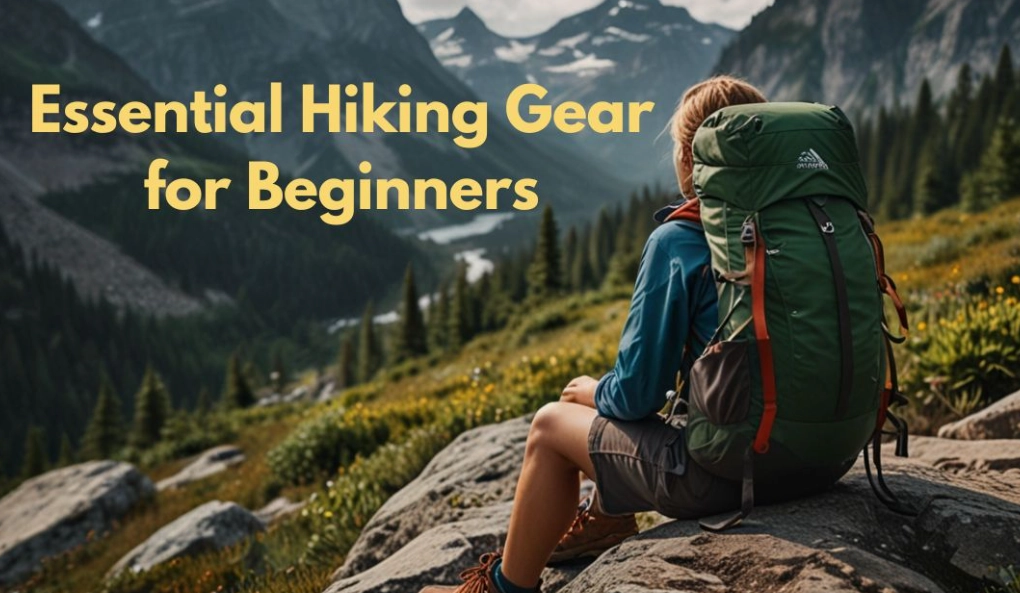
This guide strips all that back. We're focusing on the non-negotiable essentials that will make your first hike safe and enjoyable, without emptying your wallet or breaking your back.
In This Article
Why Beginner Hiking Gear Is Different
Advanced hiking gear solves problems you don't have yet. It's designed for specific, extreme conditions: sub-zero temperatures, week-long trips, technical terrain. As a beginner, your conditions are general: well-marked trails, fair weather, and a trip lasting a few hours.
Your gear needs to be versatile, forgiving, and easy to use. A $300 ultralight rain jacket is overkill if you're hiking in a region with predictable summer weather. A heavy-duty GPS device is unnecessary when your phone and a downloaded map work perfectly for a trail in a local state park.
Think of it like learning to cook. You don't need a professional Viking range and a set of Japanese chef's knives to make a decent pasta. You need one good pot, a sharp knife, and a simple recipe. Same here.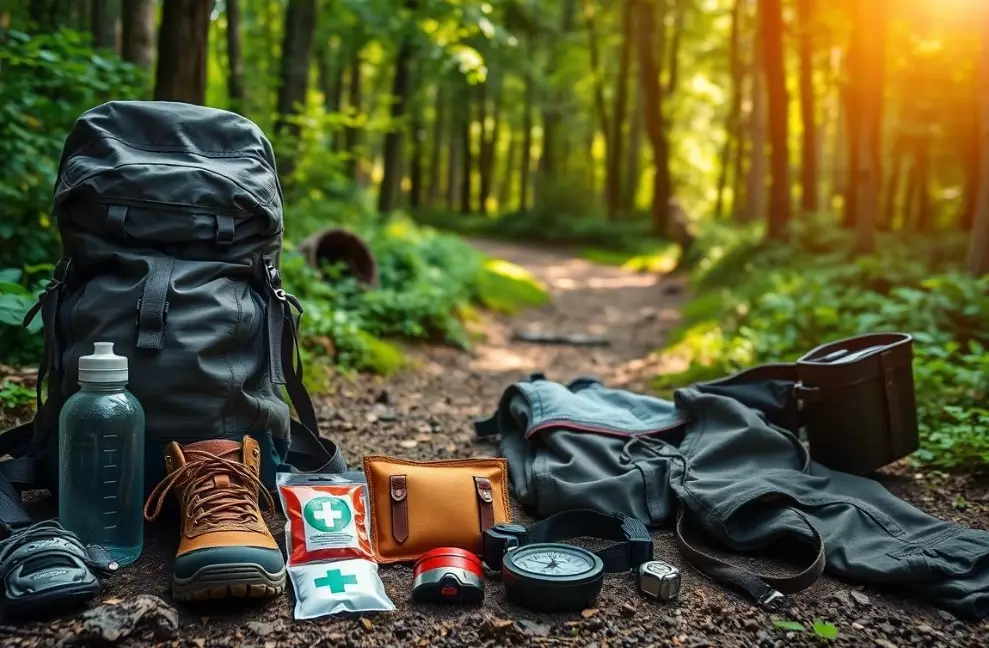
The 10 Essential Items: Your First Hike Checklist
This list is adapted from the classic "Ten Essentials" mountaineering list, but scaled for a beginner's reality. These are the items that address the core needs of navigation, sun protection, insulation, illumination, first-aid, fire, repair, nutrition, hydration, and emergency shelter.
| Item | Why It's Essential | Key Features for Beginners | Budget-Friendly Tip |
|---|---|---|---|
| 1. Navigation | Prevents you from getting lost. Trail markers can be confusing or missing. | Smartphone with trail app (AllTrails, Gaia GPS) downloaded for offline use + a physical map from the trailhead. | Use free tier of hiking apps. Always take a photo of the trail map at the kiosk. |
| 2. Footwear | Protects your feet, provides traction, and prevents injuries. | Sturdy sneakers or trail runners with good grip are fine for easy trails. Prioritize fit and comfort over ankle support myths. | Your broken-in running shoes are a great start. Avoid brand-new boots. |
| 3. Backpack | Carries all your other essentials comfortably. | Daypack (20-30 liters). Look for padded shoulder straps and a hip belt (crucial for comfort!). | Any comfortable school or gym backpack works. Just ensure it doesn't dig into your shoulders. |
| 4. Water & Food | Prevents dehydration and keeps your energy up. | 1-2 liters of water per person. Snacks like nuts, granola bars, fruit. More than you think you'll need. | Reuse plastic bottles. Bring sandwiches and bananas—no need for fancy "hiking food." |
| 5. Rain Protection | Getting wet is the fastest way to become cold and miserable. | A lightweight, packable rain jacket (even a cheap poncho). Avoid cotton sweatshirts at all costs. | A $20 rain shell from a discount store is infinitely better than nothing. |
| 6. Extra Layer | Temperature drops quickly when you stop moving or at higher elevations. | A fleece jacket or a lightweight puffy jacket. Synthetic or wool—not cotton. | An old fleece or wool sweater is perfect. |
| 7. Sun Protection | Sunburn and glare are real, even on cloudy days or under tree cover. | Sunscreen (SPF 30+), sunglasses, and a hat with a brim. | Use the sunscreen you already own. A baseball cap works. |
| 8. First Aid Kit | For treating minor cuts, scrapes, and blisters—the most common hiking injuries. | Adhesive bandages, blister pads (like moleskin), antiseptic wipes, gauze, tape, pain relievers. | Buy a small pre-made kit or assemble one from your medicine cabinet. |
| 9. Multi-tool/Knife & Headlamp | For small repairs and unexpected delays that force you to finish in the dark. | A simple Swiss Army knife-style tool. A small LED headlamp (hands-free light is key). | Check your junk drawer for an old flashlight. Headlamps can be found for under $15. |
| 10. Emergency Shelter | If you're injured or stranded, this can be a lifesaver by retaining body heat. | A compact emergency space blanket (the shiny metallic kind). Weighs nothing, takes no space. | Costs about $5-$10. It's the cheapest and most important insurance you'll buy. |
Notice something? Most of this isn't exotic. It's practical, multi-use stuff. The table is a summary, but the devil is in the details. Let's dive into the big three: footwear, clothing, and the pack.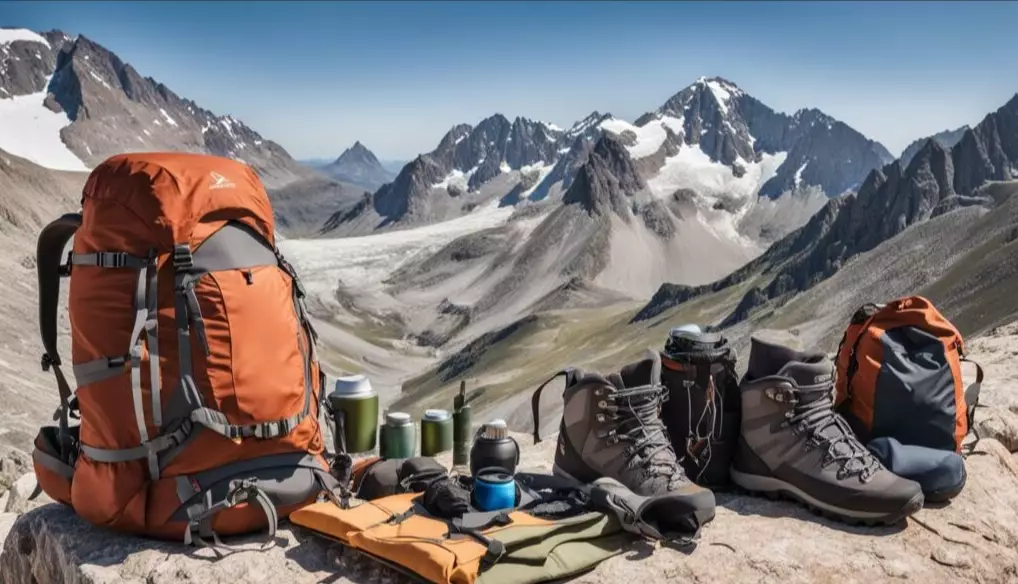
How to Choose Your First Pair of Hiking Footwear
The footwear debate is endless. Boots vs. shoes. High-top vs. low-top. Here's the non-consensus take for beginners: Ankle support is overrated for most easy-to-moderate trails. What you really need is traction and fit.
Stiff, high-top boots can actually cause more ankle issues for new hikers because they restrict the foot's natural movement and prevent the ankle muscles from strengthening. I've seen more people stumble in bulky boots than in agile trail runners.
Your best bet? Go to a store in the afternoon (when your feet are slightly swollen), wear the socks you plan to hike in, and try on several options. Walk around. Your heel should not slip. There should be a thumb's width of space in front of your toes for downhill movement. The shoe should feel secure, not tight.
A Real-World Scenario: The Wet Rock
Imagine you're on a trail, and you come to a small stream crossing with slick, mossy rocks. In smooth-soled sneakers, you're doing a risky dance. In shoes with a lugged, rubber outsole (like on trail runners or hiking shoes), the rubber compounds are stickier and the lugs bite into the surface, giving you confidence. That's the traction difference. It's not about climbing cliffs; it's about safely navigating the occasional muddy patch or slippery root that every trail has.
And for goodness sake, break them in at home before a long hike. Wear them to the grocery store, on walks around the neighborhood. A blister can ruin an otherwise perfect day.
The Magic of Layering: What to Wear Hiking
Forget the "hiking outfit." Think in layers. This system lets you adapt to changing weather and activity level. The rule is simple: Cotton kills. It absorbs sweat and rain, loses its insulating properties, and dries slowly. Stick to synthetic materials (polyester, nylon) or wool (merino is fantastic).
The Three-Layer System (Simplified)
Base Layer (The Wicking Layer): This touches your skin. Its job is to pull sweat away to keep you dry. A synthetic athletic t-shirt or a lightweight merino wool shirt is perfect. That old cotton band t-shirt? Leave it at home.
Mid Layer (The Insulating Layer): This keeps you warm. A fleece jacket or a lightweight down/synthetic puffy jacket. This is the "extra layer" from the essentials list. You put it on when you stop for lunch or the wind picks up.
Shell Layer (The Weather Protection Layer): This blocks wind and rain. Your rain jacket. It doesn't need to be fancy, but it should be waterproof or at least highly water-resistant.
For your legs, hiking pants made of quick-dry material are great, but in warm weather, athletic leggings or even running shorts are fine. Just have that rain layer handy if the forecast is iffy.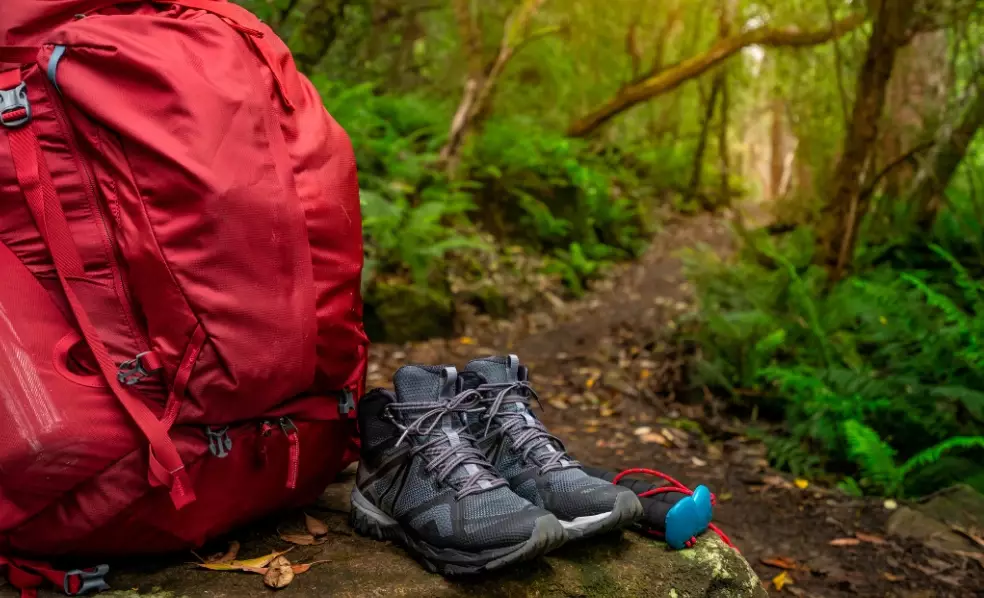
How to Pack Your Beginner Hiking Backpack
Packing isn't just throwing stuff in. It's about balance and access.
Bottom of the pack: Items you won't need until a break—your extra insulating layer, your emergency space blanket.
Middle of the pack (close to your back): Heavy, dense items like your water reservoir or water bottles. This centers the weight and prevents you from being pulled backward.
Top of the pack: Frequently needed items—rain jacket, snacks, first aid kit.
External pockets/straps: Immediate-access items—your map, sunscreen, lip balm, multi-tool.
Before you leave, put the pack on. Adjust all the straps. The hip belt should sit on your hip bones, taking 70-80% of the weight off your shoulders. If your pack doesn't have a hip belt, you're carrying all that weight on your shoulders, which gets old fast.
Gear Mistakes Almost Every Beginner Makes
Let's talk about the subtle errors I see weekly.
1. Ignoring Socks: People spend $150 on boots and wear cheap, cotton athletic socks. This is a blister factory. Invest in a pair of synthetic or wool hiking socks. They have extra cushioning in key areas and manage moisture. Darn Tough or Smartwool are brands, but any synthetic running sock is a massive upgrade.
2. The "Just One More Thing" Packer: Throwing in a book, a heavy DSLR camera "just in case," extra shoes. Every ounce adds up. Be ruthless. Your back will thank you at the end of the day.
3. Not Testing Gear: That new stove, water filter, or headlamp? Try it in your backyard, not on the trail when you're hungry, thirsty, or in the dark. Familiarity breeds confidence.
4. Relying Solely on Phone Battery: Phones die, especially when using GPS and taking photos. Put it in airplane mode, use a downloaded map, and carry a small external battery pack. That physical map is your backup for when the tech fails.
Your Hiking Gear Questions Answered
The trail is waiting. Don't let gear paralysis stop you. Grab that old backpack, fill a water bottle, put on some comfortable shoes, and pick an easy, well-marked trail. The most essential piece of gear is your sense of adventure. Everything else on this list just makes the journey safer and more comfortable. Now go get your feet dirty.