You're staring at the ceiling again. It's 2 AM, your mind is racing about tomorrow's meeting, and the frustration is building. You've tried counting sheep, maybe even some over-the-counter sleep aids that left you groggy. What if the solution wasn't in a pill bottle, but in a series of small, natural adjustments to your day and night? That's what we're diving into. Forget the generic "drink chamomile tea" advice. Let's talk about the natural remedies for insomnia that have real science behind them and, more importantly, work in the messy reality of daily life.
I've spent years researching this and coaching friends through it. The biggest mistake people make? Treating sleep as an isolated event. It's not. It's the final act of a play that started when you woke up.
Your Quick Guide to Better Sleep
- Why Can't I Sleep? Understanding the Root Cause
- Sleep Hygiene: Your Non-Negotiable Foundation
- How to Calm a Racing Mind and Body
- The Surprising Diet and Sleep Connection
- Herbal Supplements: A Deep Dive
- Putting It All Together: Building Your Sleep Routine
- Your Questions on Natural Sleep Aids Answered
Why Can't I Sleep? Understanding the Root Cause
Before throwing solutions at the wall, let's figure out what we're dealing with. Insomnia isn't just "trouble sleeping." It's often a symptom. Are you stressed? Is your bedroom too warm? Did you have coffee after 3 PM? The natural sleep aids that work target these specific causes.
Think of your sleep drive like a seesaw. On one side, you have sleep pressure (builds up all day the longer you're awake). On the other, you have alertness (fueled by stress hormones like cortisol and environmental cues like blue light). Insomnia happens when the alertness side is too heavy. Our goal with natural remedies is to gently increase sleep pressure and lower that alertness.
Sleep Hygiene: Your Non-Negotiable Foundation
"Sleep hygiene" sounds clinical, but it's just about creating an environment and daily habits that signal to your brain: "It's safe to shut down now." This is the bedrock. Skip this, and the fanciest herbs won't save you.
How to Create a Sleep-Inducing Bedroom Environment
Your bedroom should be a cave. Cool, dark, and quiet. Aim for around 65°F (18°C). Use blackout curtains. If noise is an issue, a white noise machine is a game-changer. And your bed is for sleep and intimacy only. No work emails, no doomscrolling. This builds a powerful mental association.
The Light and Schedule Factor
Your body clock runs on light. Get bright, natural light first thing in the morning. This sets your timer. Then, as evening approaches, dim the lights. This is crucial. An hour before bed, ditch the screens. The blue light suppresses melatonin, the hormone that makes you sleepy. If you must use a device, enable night mode and consider blue-light-blocking glasses.
Wake up at the same time every day, even on weekends. Yes, even on weekends. This regularity is more important than a consistent bedtime for regulating your internal clock.
How to Calm a Racing Mind and Body
This is where most insomnia lives—in your head. The "to-do" list replaying. The awkward thing you said 5 years ago. You need tools to break the cycle.
- The 4-7-8 Breathing Technique: Inhale quietly through your nose for 4 seconds. Hold your breath for 7 seconds. Exhale completely through your mouth for 8 seconds. Repeat 4 times. It acts as a natural tranquilizer for your nervous system.
- Progressive Muscle Relaxation (PMR): Starting from your toes, tense each muscle group for 5 seconds, then release for 30 seconds. Work your way up to your head. It teaches you to recognize and release physical tension you didn't even know you had.
- Journaling: But do it right. Don't just diary. Write down everything on your mind, then make a simple list for tomorrow. It's called a "brain dump." It tells your brain it can stop holding onto those thoughts.
Meditation apps can help, but you don't need them. Just focusing on the sensation of your breath coming in and out of your nostrils for 5 minutes can work wonders.
The Surprising Diet and Sleep Connection
What you eat, and when, directly impacts how you sleep. It's not just about avoiding caffeine.
| Food/Nutrient | How It Helps Sleep | Best Sources & Timing |
|---|---|---|
| Magnesium | Regulates neurotransmitters, promotes muscle relaxation. Deficiency is linked to restless sleep. | Spinach, pumpkin seeds, almonds, black beans. Include in dinner. |
| Tryptophan | Precursor to serotonin and melatonin, the key sleep hormones. | Turkey, chicken, oats, bananas. Pair with carbs at dinner for better uptake. |
| Complex Carbohydrates | May boost tryptophan availability in the brain. | Sweet potato, brown rice, whole-grain bread at dinner. |
| Heavy/Spicy Meal | Avoid: Causes indigestion, raises body temp, disrupts sleep. | Finish dinner at least 2-3 hours before bed. |
| Alcohol | Avoid (as a sleep aid): Sedates initially but fragments sleep later in the night. | Limit, and avoid within 3 hours of bedtime. |
A small, sleep-friendly snack 45 minutes before bed can help if you're hungry. Try a banana, a handful of cherries (natural melatonin source), or a small bowl of oatmeal.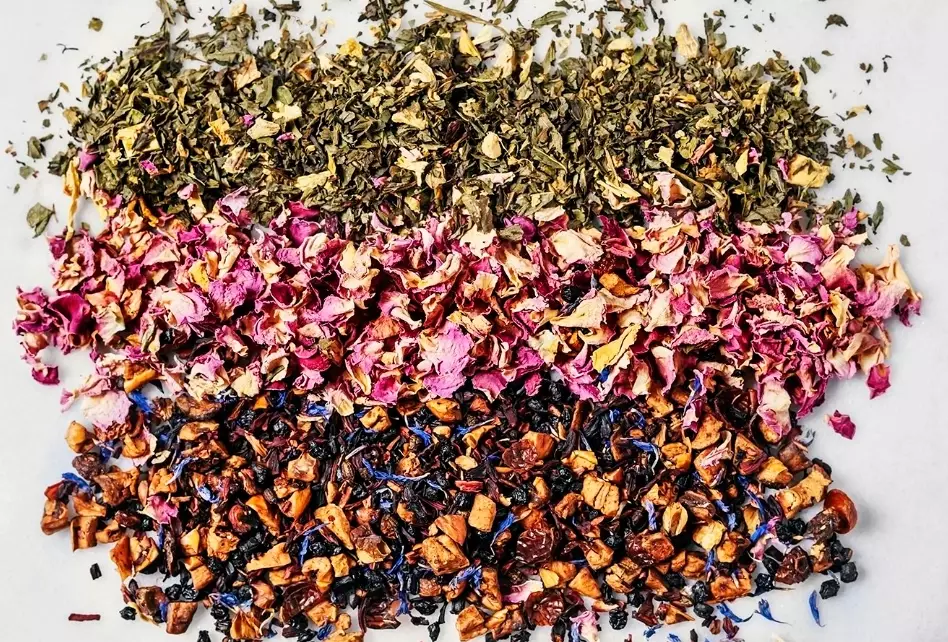
Herbal Supplements: A Deep Dive
Now for the herbal remedies for sleep. These are helpers, not magic bullets. They work best on the foundation we've built. Quality matters—look for reputable brands that use standardized extracts.
Valerian Root: The Heavy Hitter
Valerian is often called "nature's Valium," but that's misleading. It doesn't knock you out. It seems to increase levels of GABA, a calming neurotransmitter. The catch? It smells like old socks. It also doesn't work for everyone, and for some, it can have a stimulating effect. Start with a low dose (300-450mg) about an hour before bed. Don't use it continuously for more than a few weeks without a break.
Chamomile: The Gentle Soother
Chamomile tea is a classic for a reason. It contains apigenin, an antioxidant that binds to certain receptors in the brain promoting relaxation. It's mild, safe, and the ritual of making a warm, caffeine-free tea is part of the therapy. For a stronger effect, look for chamomile extract supplements.
Other Notable Herbs
Lavender: Inhaling its scent (via essential oil in a diffuser) has been shown to reduce anxiety and improve sleep quality, as noted in studies referenced by the National Center for Complementary and Integrative Health (NCCIH). Don't ingest essential oils.
Lemon Balm: Often combined with valerian. It's gently calming and good for stress-related sleeplessness.
Passionflower: Another GABA-booster, similar to valerian but often considered milder.
Putting It All Together: Building Your Sleep Routine
Don't try everything at once. You'll overwhelm yourself. Pick one or two things from each section to start.
Sample 60-Minute Pre-Bed Routine:
- T-60 min: Finish screen time. Put phone on Do Not Disturb.
- T-45 min: Have a small sleep snack (e.g., a few cherries).
- T-30 min: Dim the lights. Brew a cup of chamomile tea. Do 5 minutes of 4-7-8 breathing.
- T-15 min: Wash up, brush teeth, get into comfortable, cool pajamas.
- T-5 min: In bed, do a quick 3-minute PMR (toes, calves, thighs, belly, shoulders).
- Lights out. Focus on the feeling of the pillow against your cheek.
If you're in bed for 20 minutes and still awake, get up. Go to another dimly lit room and read a boring book (no screens!) until you feel sleepy. Then return to bed. This prevents the bed from becoming an anxiety zone.