Tokyo isn't just a city; it's a living, breathing ecosystem of neon, tradition, and hyper-efficiency. Picking the top attractions feels like choosing a favorite star in the sky. But after a decade of guiding friends and getting lost on purpose, I've narrowed down the spots that truly define the Tokyo experience. Forget just ticking boxes. This is about understanding the soul of each place.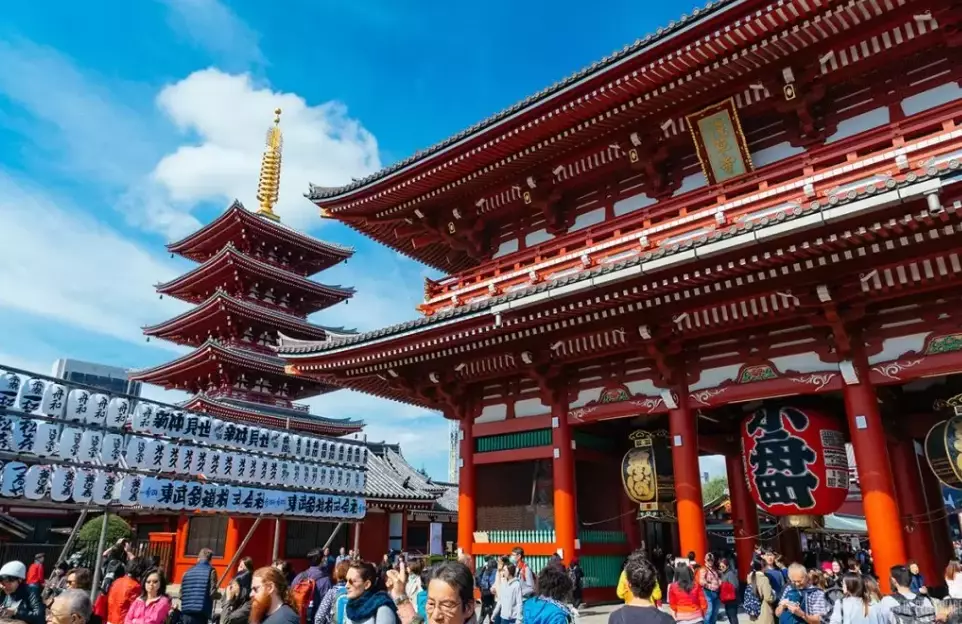
Your Quick Guide to Tokyo's Best
The Historical & Spiritual Core
Start here. This is the bedrock of Tokyo, the old Edo that whispers beneath the skyscrapers.
Sensō-ji Temple (Asakusa)
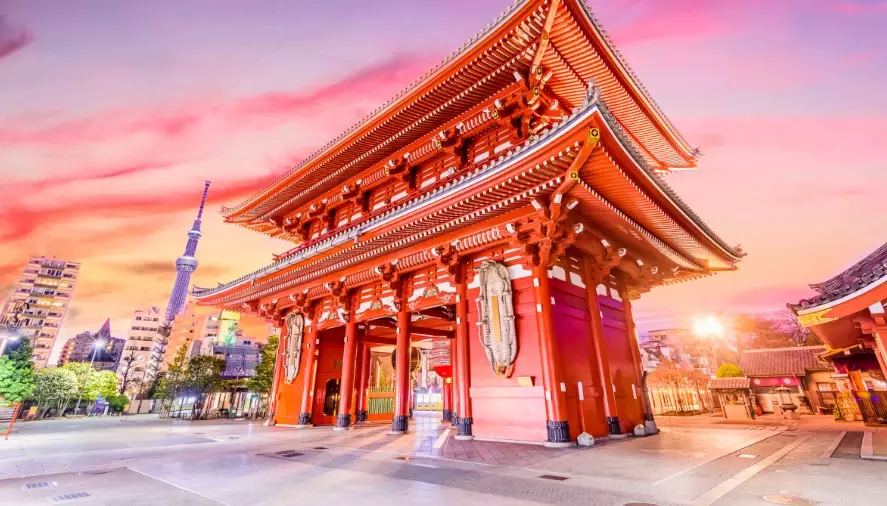
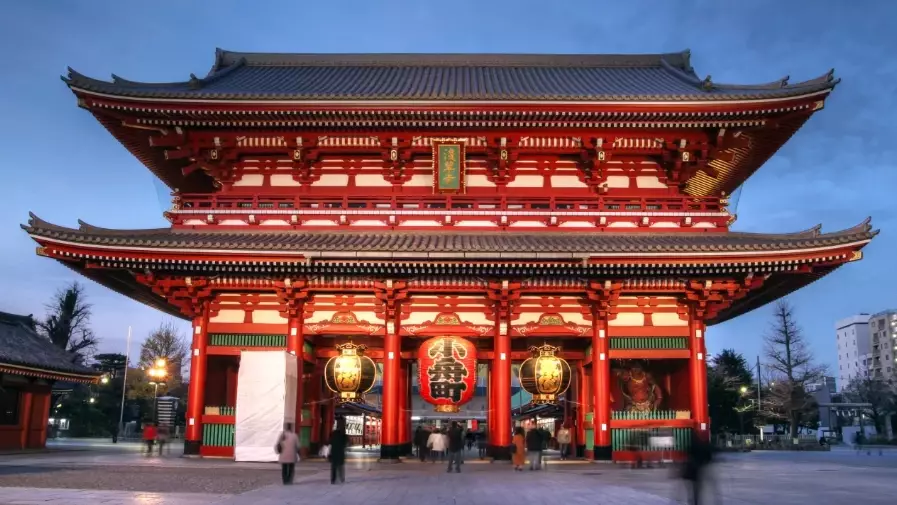
Tokyo's oldest temple. The approach down Nakamise-dori, a street packed with stalls selling senbei and trinkets, is part of the ritual. A common mistake? Rushing straight to the main hall. Pause at the giant lantern of the Kaminarimon, then the Hōzōmon gate. Look up at the intricate carvings. The temple grounds are free, but for 100 yen, you can enter the quieter, beautifully maintained Asakusa Shrine right next door—a perfect example of Shinto-Buddhist syncretism.
Meiji Jingu (Harajuku)
A forest of 100,000 trees in the middle of Tokyo. Walking from the craziness of Harajuku Station into the serene, gravel-covered path to the shrine is a shock to the system. This shrine is dedicated to the deified spirits of Emperor Meiji and Empress Shoken. It's not about flashy architecture; it's about atmosphere. Visit on a Sunday morning and you might see a traditional Shinto wedding procession—a moment of pure, quiet beauty.
Modern & Architectural Icons
Tokyo's skyline tells a story of ambition and resilience.
Tokyo Skytree
At 634 meters, it's the tallest structure in Japan. The view is, unsurprisingly, breathtaking. But is it worth the pricey ticket? For first-timers on a clear day, yes. The trick is booking a combo ticket for the Tembo Deck (350m) and the higher Tembo Galleria (450m) online in advance to skip the long ticket queues. The Galleria is a spiraling ramp with glass floors—it feels more thrilling than the main deck. The Solamachi mall at its base is a destination in itself for shopping and eating.
Tokyo Metropolitan Government Building (Shinjuku)
My top budget-friendly alternative to Skytree. The observation decks on the 45th floor of both towers are completely free. The south tower offers a clearer view of Mount Fuji on good days. It's open until 11 PM, making it one of the best free night views in the city. The building's divisive, fortress-like design by Kenzo Tange is a piece of 1990s postmodern history.
Urban Energy & Pop Culture
This is the Tokyo of movies and memes.
Shibuya Crossing
The iconic scramble. Standing in the middle of the chaos as the crosswalk signal turns green is a rite of passage. For the best view, skip the crowded Starbucks. Head to the second-floor window of the MAGNET by SHIBUYA 109 building. They have a dedicated observation deck called "MAGNET's VIEW" (costs about ¥300) with a glass ledge for perfect photos. Visit once during the day and once at night—the energy is completely different.
Shinjuku Gyoen National Garden
An oasis. This isn't just a park; it's 144 acres of meticulously curated landscapes: traditional Japanese, formal French, and sprawling English gardens. It's the best spot for cherry blossom viewing (hanami) if you dislike the rowdy parties at Ueno Park. The ¥500 entry fee acts as a crowd filter, ensuring a more peaceful experience.
Family & Themed Escapes
For when you need a day of pure, unadulterated fun.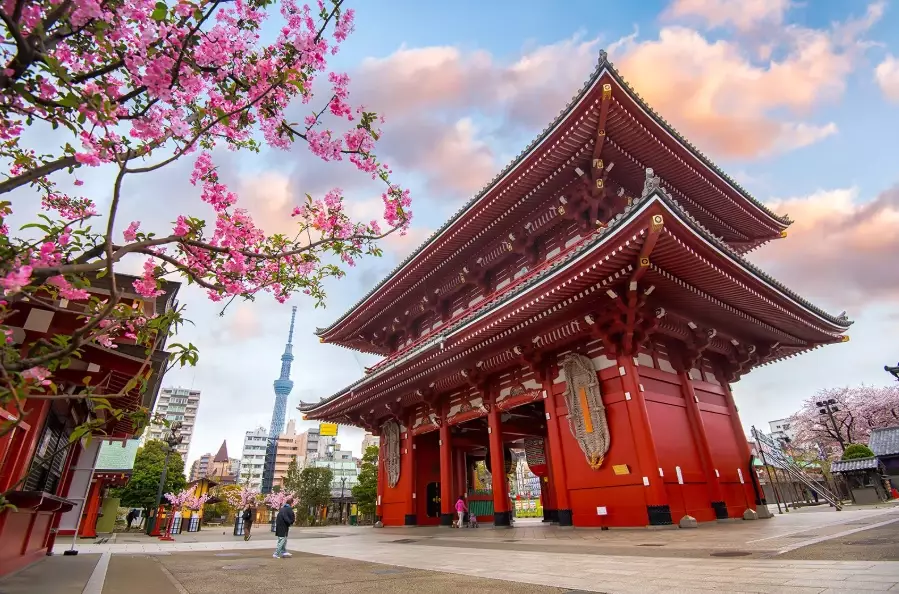
Tokyo Disney Resort (Urayasu, Chiba)
Comprising Tokyo Disneyland and DisneySea. DisneySea is uniquely Japanese and often considered the best Disney park in the world for its detailed themes (Mediterranean Harbor, Mysterious Island). It's not just for kids. The food is exceptional—try the gyoza dog or the alien mochi. The biggest tip? Stay at a official partner hotel nearby. The 15-minute guaranteed park entry and Happy 15 Entry (entering 15 minutes before official opening) are game-changers.
teamLab Borderless (Azabudai Hills)
Note: The original Odaiba location is closed. The new, permanent museum opened in Azabudai Hills in 2024. This digital art museum is an immersive experience where artworks move between rooms. Wear flat shoes and plain clothing—some rooms use projections on white surfaces, including your clothes. It's mesmerizing, but book tickets online months in advance for weekend slots.
Planning & Practical Tips: Making It Work
Seeing these top sights requires strategy. Tokyo is vast.
| Attraction | Nearest Station(s) | Estimated Cost (Adult) | Best Time to Visit | Time Needed |
|---|---|---|---|---|
| Sensō-ji Temple | Asakusa | Free (Treasure Hall ¥300) | Early Morning (6-8 AM) | 1.5 - 2 hours |
| Meiji Jingu | Harajuku, Yoyogi | Free (Garden ¥500) | Morning | 1 - 1.5 hours |
| Tokyo Skytree | Tokyo Skytree, Oshiage | ¥3,100 - ¥4,300 | Weekday Afternoon (Booked) | 2 - 3 hours |
| Shibuya Crossing | Shibuya | Free (View deck ~¥300) | Evening for lights | 30 mins - 1 hour |
| Shinjuku Gyoen | Shinjuku-gyoemmae | ¥500 | Late Morning | 2 hours |
Group attractions by geography. A classic efficient day: Start at Meiji Jingu in the morning, walk through Takeshita Street in Harajuku for lunch, then take the JR Yamanote Line two stops to Shibuya for the **Shibuya Crossing** and Hachiko statue. In the evening, one more stop on the Yamanote Line to Shinjuku for the free observation deck and dinner in the maze of izakayas under the tracks at Omoide Yokocho.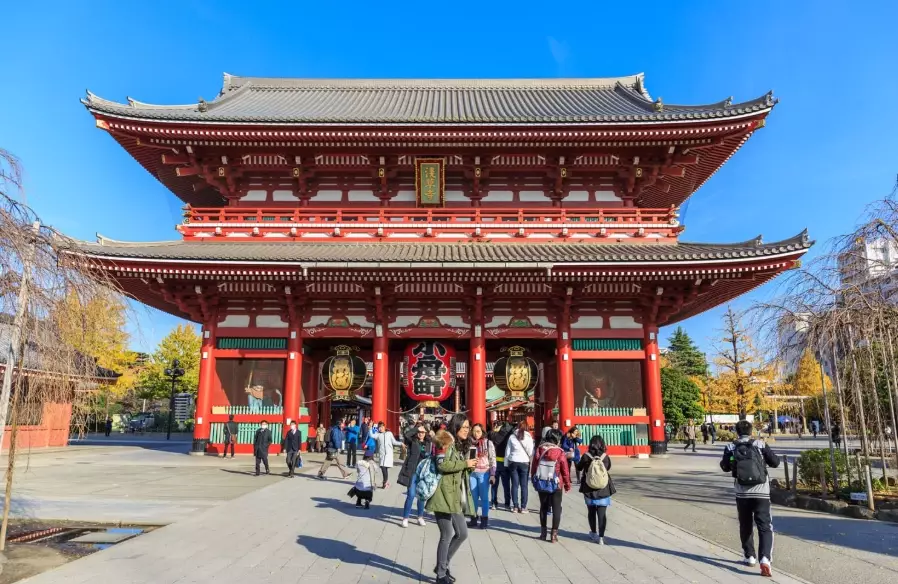
Buy a Suica or Pasmo IC card. It's a rechargeable tap card for all trains, subways, and even convenience stores. Absolute lifesaver.
Your Tokyo Attractions FAQ: Answered Honestly
Is the Tokyo Skytree worth the high ticket price compared to the free Tokyo Metropolitan Government Building view?
For a first-time visitor on a very clear day, Skytree offers a more central, panoramic view that includes Tokyo Tower and, if you're lucky, Mount Fuji. The experience is more polished. The Govt Building is an incredible value, but the view is more of western Tokyo/Skytree itself. My advice: Do the free Govt Building view at night. If you still crave a higher, 360-degree daytime view, then consider Skytree.
How can I fit both Asakusa and the Skytree into one visit efficiently?
They're close. Walk from Sensō-ji to the Skytree in about 20-25 minutes. You'll pass through a more local, less touristy part of Sumida ward. Alternatively, take the Tobu Skytree Line one stop from Asakusa to Tokyo Skytree Station. Do Asakusa in the morning, have lunch at one of the unagi (eel) restaurants under the Skytree, then go up in the early afternoon.
 What's the single most overrated attraction that I can skip if I'm short on time?
The Pokemon Center and Ghibli Museum (though wonderful for fans) are often logistically challenging for general tourists. The most common "checklist" item that disappoints is the Imperial Palace East Gardens. They're pleasant, but just gardens. If you have only 3-4 days, your time is better spent at Shinjuku Gyoen or Meiji Jingu for a green space with more distinct character and history.
Which top attraction is surprisingly kid-friendly?
Meiji Jingu. It sounds formal, but kids love the huge wooden torii gates, the forest path, and the sake barrel display. There's space to run (quietly) on the gravel. The treasure museum is small and manageable. It's a calm break from sensory overload.
I'm overwhelmed by transit. What's the easiest area to stay in to access most of these top sights?
Shinjuku or Shibuya. Both are major hubs on the JR Yamanote Line (the green loop line that circles central Tokyo). From either, you have one-train access to Harajuku, Shinjuku's own attractions, Shibuya, and easy transfers to lines heading to Asakusa and Tokyo Station (for Skytree connections). The sheer density of train lines converging there reduces walking and transfer stress.
 Tokyo's top attractions are more than just photo ops. They're chapters in the city's story, from its spiritual roots to its futuristic aspirations. Use this guide not as a rigid checklist, but as a map to find your own version of Tokyo. Get lost in a side street near Sensō-ji, find a tiny bar after seeing Shinjuku's lights, and let the city's rhythm guide you. That's where the real magic happens.