Let's be honest. Most backpacking essentials lists are garbage. They're either written by someone who's never spent a rainy night in a leaking tent, or they're so generic they tell you to pack "clothes" and "food." Thanks, I never would have thought of that.
I've been stuffing gear into backpacks for over a decade, from weekend trips in the Rockies to months on the Appalachian Trail. I've carried too much, forgotten critical items, and learned the hard way what actually matters. This isn't about having the most expensive gear. It's about having the right gear that works together as a system to keep you safe, comfortable, and moving.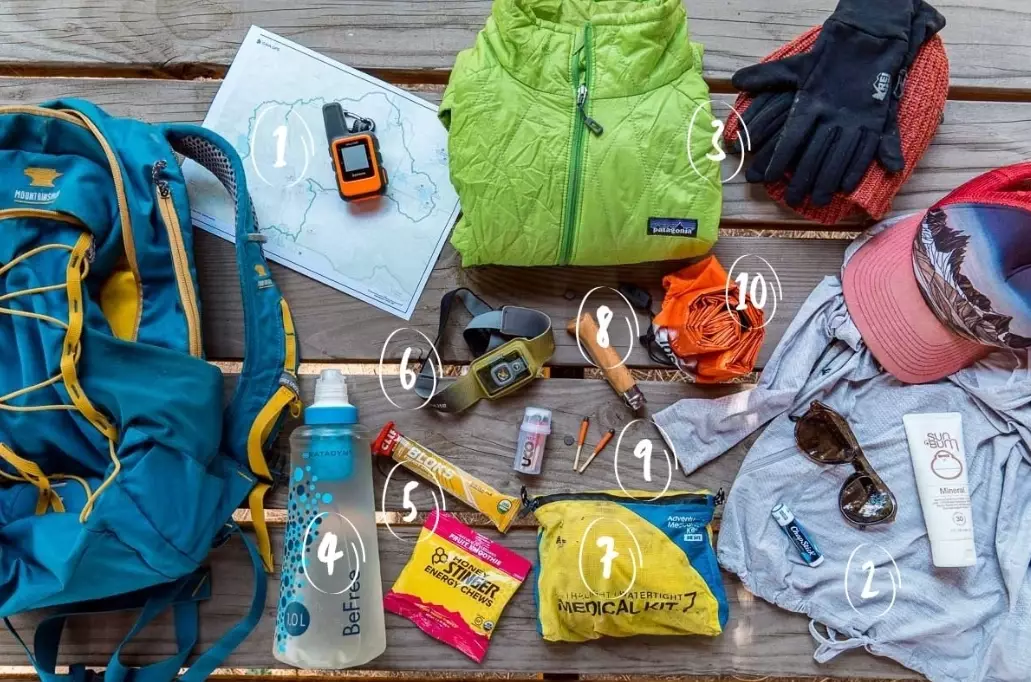
The core philosophy is simple: every item must justify its weight and space by serving at least one critical function. Sentimental teddy bears and three different pairs of jeans need not apply.
Your Trail Map: What's Inside This Guide
The Big Three: Your Backpack, Shelter, and Sleep System
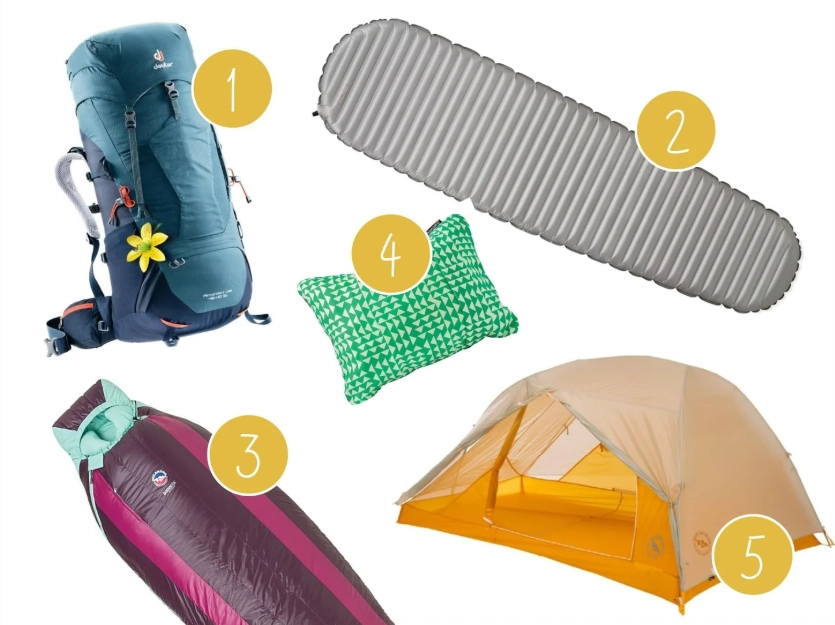
These three items form the foundation and are where you should invest the most thought (and often, money). They directly impact your comfort and safety.
How to Choose Your Backpack
Forget liters for a second. The biggest mistake is buying a pack first. Get your other core gear (sleeping bag, pad, tent) first, then find a pack that fits it all. A 65-liter pack is a sweet spot for most multi-day trips. Brands like Osprey, Gregory, and Hyperlite make excellent packs. Go to a store, get it fitted by a pro, and load it with weight. The hip belt should carry 80% of the load comfortably.
Shelter: Tent, Tarp, or Hammock?
This is personal and depends on where you hike. A freestanding tent (like the Big Agnes Copper Spur or MSR Hubba Hubba) is the most versatile and beginner-friendly. Tarps are ultra-light but require skill. Hammocks are amazing in wooded areas but useless above the tree line. My first tent was a heavy, budget-friendly model. It survived, but the condensation was miserable. A quality, lightweight shelter is worth every penny when you're tired and a storm is rolling in.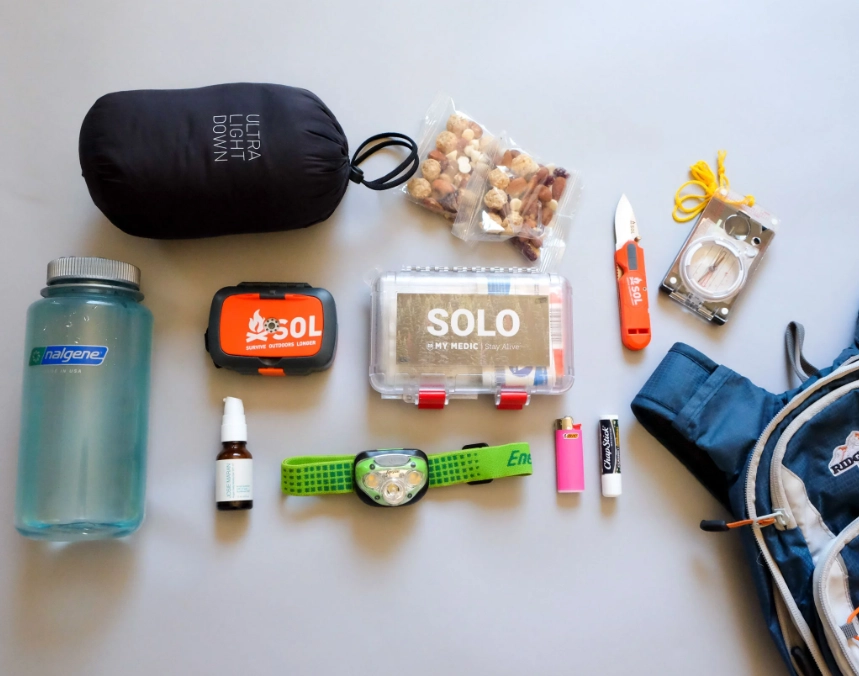
Sleep System: Bag and Pad
Your sleeping bag's temperature rating is a survival rating, not a comfort rating. If you're camping in 30°F (-1°C) weather, get a bag rated for 20°F (-7°C) or lower. Down is lighter and packs smaller but useless when wet. Synthetic insulation is bulkier but will keep you warm if damp. Pair it with an insulated sleeping pad. The pad's R-value measures insulation from the ground. For summer, R-2 might suffice; for three-season, aim for R-4 or higher. A popular combo is a down quilt from Enlightened Equipment and a Therm-a-Rest NeoAir XLite pad.
Pro Tip Most Lists Miss: Your sleep system includes what you wear to bed. Never sleep in the sweaty clothes you hiked in. Dedicate a set of dry base layers (top and bottom) exclusively for sleeping. This simple habit dramatically improves sleep quality and warmth.
Mastering the Clothing System
You don't need a different outfit for each day. You need a layering system that adapts to changing conditions.
- Base Layer (Wicking): Merino wool or synthetic (like Patagonia Capilene). Avoid cotton—it's called "death cloth" for a reason.
- Mid Layer (Insulation): A lightweight fleece or down/synthetic puffy jacket (e.g., Patagonia Nano Puff).
- Outer Layer (Shell): A waterproof and breathable rain jacket (like those from Arc'teryx or REI Co-op). Rain pants are a judgment call based on forecast.
- Bottoms: One pair of hiking pants or shorts (convertibles are handy), plus the dedicated sleep base layer.
- Extras: 2-3 pairs of hiking socks (Darn Tough are legendary), underwear, a warm hat, and gloves.
Your feet are your vehicle. Break in your hiking boots or trail runners before the trip. I made the switch from heavy boots to trail runners (like Altra Lone Peaks) years ago and my knees thanked me, but it's not for everyone or every terrain.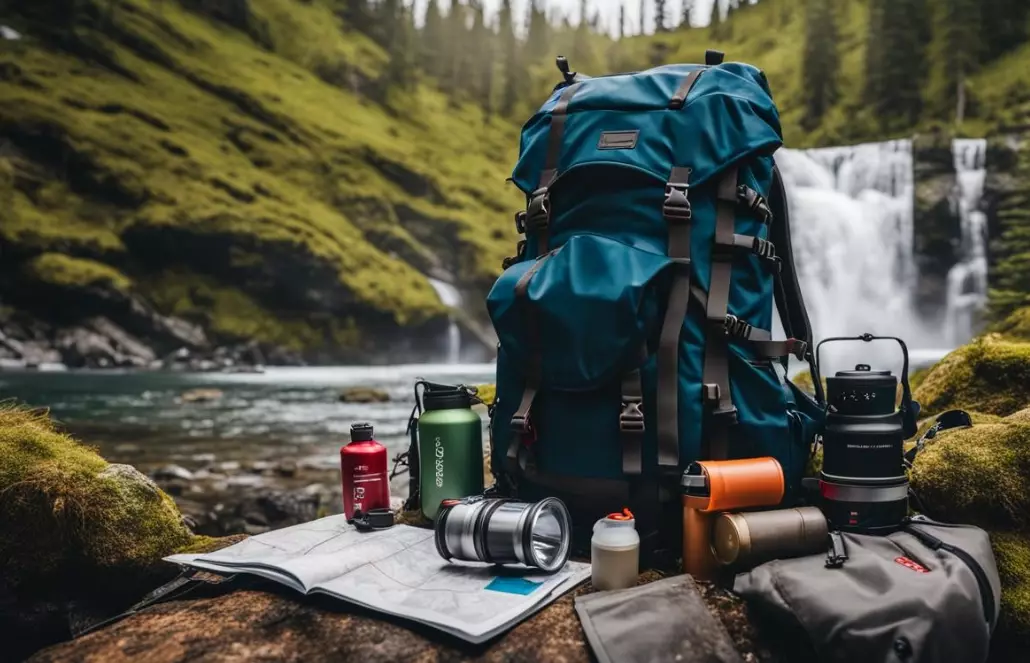
Cooking, Hydration, and Nutrition on the Trail
You'll be burning thousands of calories. Food is fuel and morale.
The Cooking Kit
A canister stove (Jetboil, MSR PocketRocket) is simple and efficient for most beginners. Include a small pot, a spork, a lighter, and a tiny scrubby. Plan simple, one-pot meals: dehydrated meals from Mountain House or Backpacker's Pantry are easy, but you can make your own.
Water is Life
Never rely on finding "natural" springs. Always treat water. The current gold standard is a Sawyer Squeeze filter—light, effective, and easy to use. Carry two 1-liter Smartwater bottles (they're light and durable) and maybe a CNOC bladder for dirty water. Aquamira drops are a good backup. Know your water sources in advance using apps like Gaia GPS or by checking recent trail reports.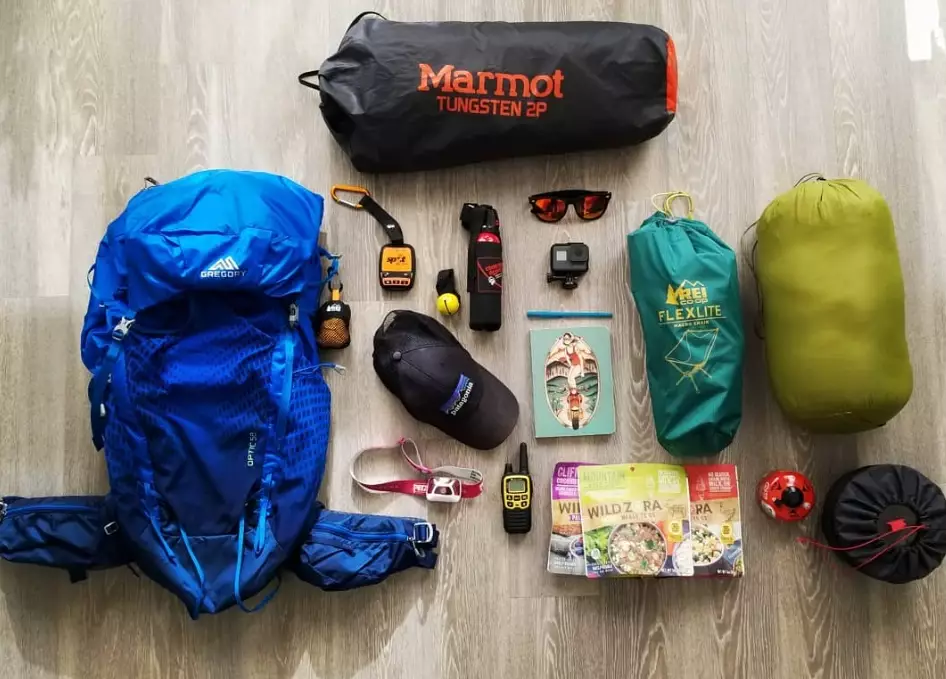
| Meal Time | Sample Food Ideas | Why It Works |
|---|---|---|
| Breakfast | Instant oatmeal + peanut butter + dried berries | Fast, hot, calorie-dense, minimal cleanup. |
| Lunch/Snacks | Tortillas, summer sausage, cheese, nuts, chocolate, bars | No cooking required. Graze throughout the day to maintain energy. |
| Dinner | Dehydrated chili mac, ramen with tuna packet | Hot, savory, and high in sodium to replace what you sweated out. |
Non-Negotiable Safety & Utility Items
This stuff isn't sexy, but forgetting it can turn a minor hiccup into an emergency.
- Navigation: A physical map and compass—and the knowledge to use them. Your phone/GPS can fail. The USGS is a great source for topo maps.
- First-Aid Kit: Build your own. Must-haves: blister treatment (Leukotape is magic), antiseptic wipes, ibuprofen, antihistamine, gauze, and any personal meds.
- Illumination: A headlamp (like a Black Diamond Spot) with extra batteries. A small backup light isn't a bad idea.
- Fire Starter: Waterproof matches or a lighter in a zip-lock, plus a fire steel as a backup.
- Repair Kit: Duct tape (wrap some around your trekking pole), a needle/thread, and a multi-tool or small knife.
- Sun Protection: Sunglasses, sunscreen, and a hat or buff.
- Emergency Shelter: A lightweight emergency bivy or space blanket. Weighs nothing, could save everything.
Common Packing Mistakes & Pro Tips
I see the same errors on every trailhead.
Mistake 1: Packing Your Fears. "What if I need a formal dress?" You won't. Be ruthless. Lay out all your gear, then cut it by 20%.
Mistake 2: Poor Pack Organization. Use stuff sacks or a pack liner (a trash compactor bag is cheap and bombproof). Sleep system at the bottom. Heavy items (food, stove) close to your back and centered. Rain jacket and snacks at the top. Water filter and shell in an outside pocket.
Mistake 3: No Trial Run. Do a shakedown hike. Load your pack and walk 5 miles in a local park. You'll instantly feel what's wrong.
A Real-World 3-Day Gear List (Summer, Temperate Forest)
Let's make it concrete. Here's what I'd actually pack for a typical Friday-to-Sunday trip.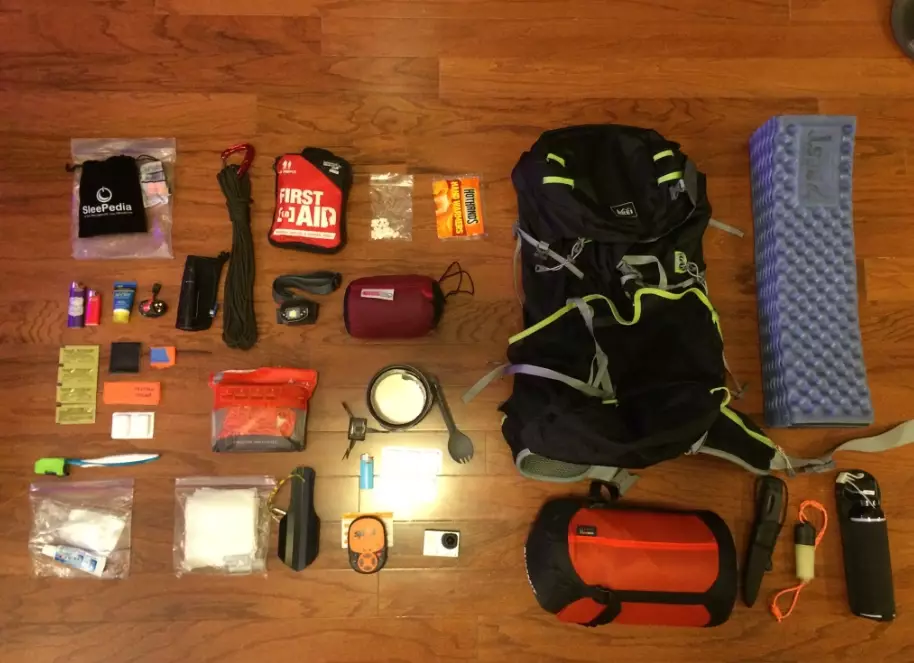
- Backpack: Osprey Exos 58L
- Shelter: Big Agnes Tiger Wall UL2 Tent
- Sleep: Enlightened Equipment Revelation 20°F Quilt, Therm-a-Rest NeoAir XLite Pad
- Cooking: MSR PocketRocket 2 Stove, 750ml pot, fuel canister, lighter
- Water: Sawyer Squeeze Filter, (2) 1L Smartwater bottles
- Clothing (Worn): Hiking shirt, shorts, socks, boots, hat
- Clothing (Packed): Puffy jacket, rain shell, sleep top/bottom, 2x extra socks, underwear, warm beanie
- Food: 3 days of meals + 1 extra day of snacks (approx. 1.5-2 lbs per day)
- Safety/Utility: First-aid kit, headlamp, map/compass, knife, duct tape, sunscreen, bug spray
Total base weight (everything except food, water, fuel): Aim for under 15 lbs. It's achievable and makes hiking a joy, not a slog.
Your Backpacking Questions, Answered
 What's one piece of gear most beginners cheap out on that they absolutely shouldn't?