Let's be honest. Most advice on healthy eating habits feels like a chore. It's either a restrictive diet plan that makes you miserable or a vague list of "eat more veggies" that leaves you wondering where to start. I spent years bouncing between fads before realizing the goal isn't perfection—it's building a sustainable, flexible system that fits your real life. This guide is about that system. We'll move past theory and into the practical steps you can take today to transform your relationship with food, without the guilt or the complicated rules.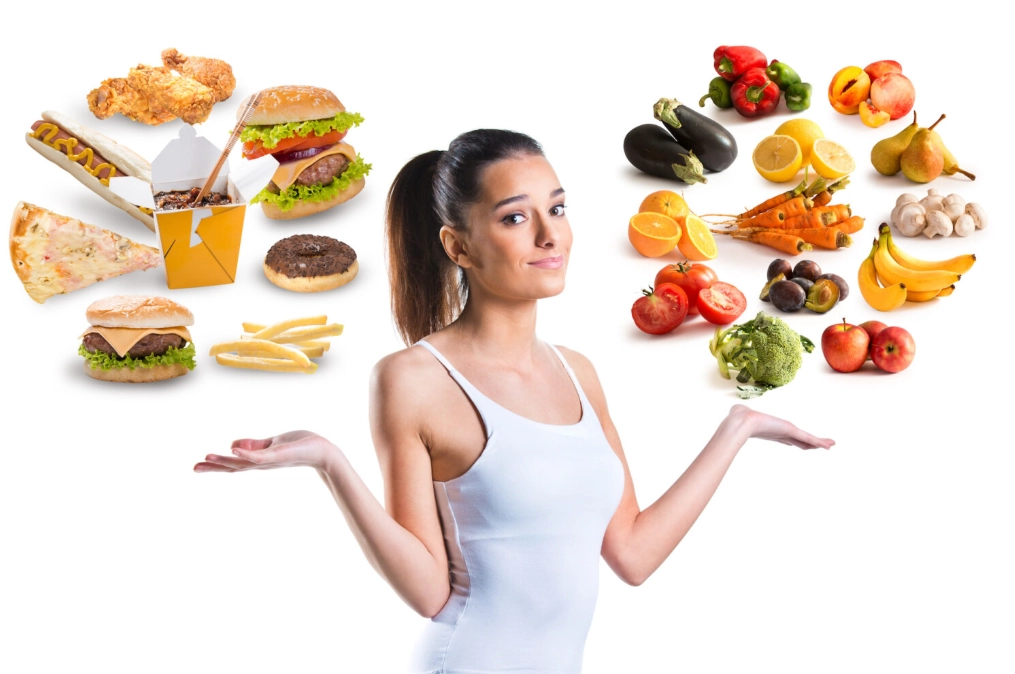
What You'll Learn in This Guide
The First Step Isn't Food, It's Your Mindset
You can have the perfect meal plan, but if you're approaching food with an all-or-nothing mentality, you're setting yourself up for a weekend binge. The biggest barrier to healthy eating habits isn't knowledge; it's psychology.
Think of food as fuel and pleasure. It's not the enemy. A common mistake is labeling foods as "good" or "bad." That chocolate bar isn't "bad"; it's a concentrated source of sugar and fat with little nutritional value. Understanding the difference allows you to choose it consciously as a treat, not devour it secretly with shame. This shift from moral judgment to nutritional awareness is everything.
Another non-consensus point? Stop obsessing over breakfast. The old adage that it's "the most important meal of the day" is heavily influenced by cereal marketing. For some people, forcing breakfast leads to overeating. If you're not hungry in the morning, listen to your body. Start eating when you feel genuine hunger, not because the clock says you should.
How to Build Healthy Eating Habits That Last
Forget overhauling your entire diet overnight. That's a recipe for burnout. The science of habit formation shows that tiny, consistent changes stick. Here's a framework that works.
Start With One "Anchor Habit"
Pick one ridiculously easy thing. My first one was: "Drink a large glass of water before my morning coffee." That's it. It took zero willpower, improved my hydration, and created a small win to build on. After two weeks, I added: "Include one vegetable with lunch." Not a mountain of greens—just a handful of baby carrots or some sliced cucumber.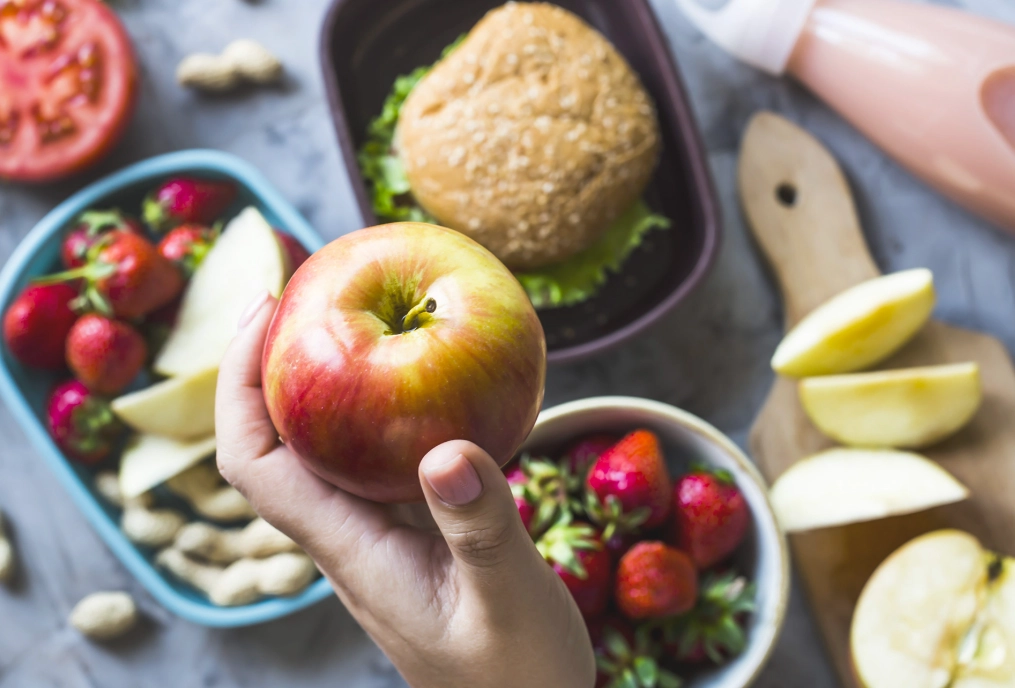
Design Your Environment for Success
Your willpower is finite. Make the healthy choice the easy choice.
**At home:** Wash and chop your veggies as soon as you get back from the store. Store them at eye level in clear containers in the fridge. Put the fruit bowl on the counter. Hide the less-healthy snacks in an opaque container in a hard-to-reach cupboard.
**On the go:** Keep a non-perishable healthy snack (like a handful of nuts or a whole fruit) in your bag or car. When you're stuck in traffic or in back-to-back meetings, this prevents the desperate dive into the vending machine.
The 80/20 Rule is Your Best Friend
Aim for nutrient-dense foods about 80% of the time. Leave 20% for flexibility—the birthday cake, the Friday night pizza, your grandma's special recipe. This isn't cheating; it's part of the plan. It removes the forbidden fruit effect and makes your habits sustainable for decades, not just weeks.
Your Practical Healthy Plate: A No-Measure Model
Forget counting calories or grams. Use this visual plate model, adapted from sources like the Harvard T.H. Chan School of Public Health's Healthy Eating Plate, as your default template for main meals. No scales needed.
| Plate Section | What Goes Here | Simple Examples |
|---|---|---|
| 1/2 Plate: Vegetables & Fruits | Focus on variety and color. More veggies than fruit for meals. | Mixed salad, roasted broccoli, sautéed peppers, apple slices. |
| 1/4 Plate: Lean Protein | Builds and repairs tissue. Keeps you full. | Grilled chicken, salmon, tofu, lentils, black beans, eggs. |
| 1/4 Plate: Whole Grains or Starchy Veg | Provides lasting energy and fiber. | Quinoa, brown rice, sweet potato, whole-wheat pasta. |
| On the Side: Healthy Fats | Crucial for hormone health and absorbing vitamins. | Avocado slice, olive oil dressing, handful of nuts. |
This isn't a rigid rule. A stew or a stir-fry will mix these components, but the proportions are a great mental check. Is your bowl half-full of veggies? Good. Is the protein portion about the size of your palm? Perfect.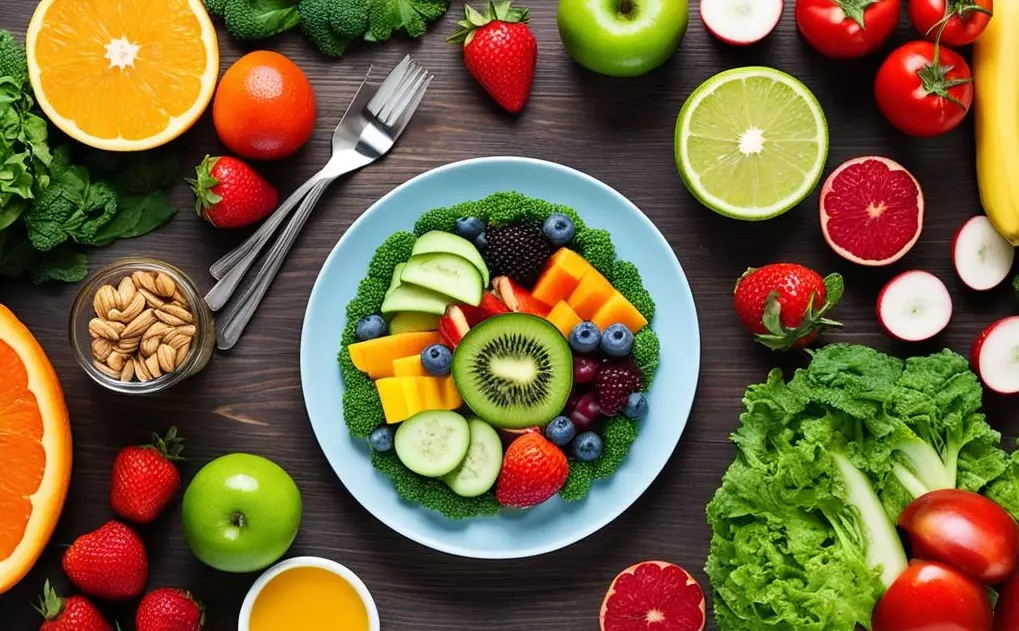
The Stress-Free Grocery List Strategy
Walking into a supermarket without a plan is asking for trouble. Here’s a categorized list to make shopping efficient and healthy. Stick to the perimeter for most items (produce, meat, dairy) and venture into aisles with specific intent.
Produce (Load Up Here): Leafy greens (spinach, kale), cruciferous veggies (broccoli, cauliflower), color peppers, onions, garlic, carrots, cucumbers, your favorite fruits (berries, apples, bananas).
Protein Aisle: Chicken breast/thighs, fish fillets (fresh or frozen), eggs, plain Greek yogurt, canned tuna/salmon (in water).
Plant-Based Protein Corner: Canned beans (black, kidney, chickpeas), lentils, tofu, tempeh, edamame.
Whole Grain Section: Oats, quinoa, brown rice, whole-wheat pasta, 100% whole-grain bread.
Healthy Fats & Flavor: Olive oil, avocado, nuts (almonds, walnuts), seeds (chia, flax), nut butter (no added sugar).
I plan 3-4 dinners for the week and buy accordingly. Lunches are usually dinner leftovers. Breakfast and snacks come from the staples (yogurt, fruit, nuts, eggs). This cuts food waste and decision fatigue.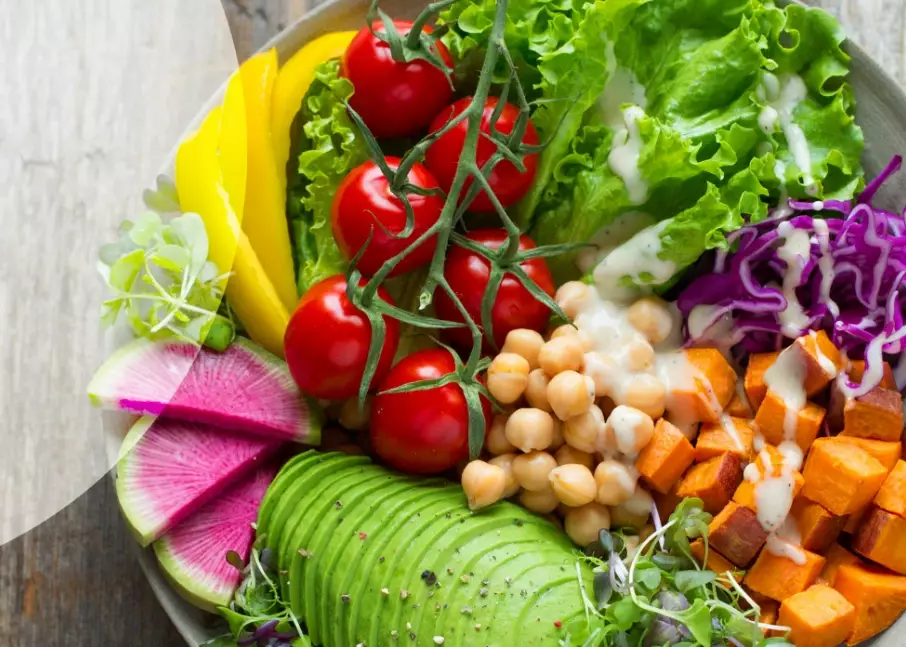
3 Subtle Mistakes That Derail Healthy Habits
These aren't the obvious ones like "drinking soda." These are the nuanced pitfalls that trip up well-intentioned people.
1. Drinking Your Calories. That artisan coffee with syrup and cream, the smoothie loaded with juice and honey, the glass of wine every night—they add significant calories with little fullness. Focus on drinking mostly water, herbal tea, or black coffee. If you love smoothies, make them yourself with a base of veggies, a small portion of fruit, protein powder or yogurt, and water.
2. Underestimating Portion Creep. Even healthy foods have calories. A "healthy" salad becomes a calorie bomb with half a cup of dressing, croutons, and cheese. A heaping bowl of quinoa is still a large portion of carbs. Use the plate model and your hand as a guide (protein = palm, carbs = cupped hand, fats = thumb).
3. Confusing "Low-Fat" with Healthy. When fat is removed from packaged foods, it's often replaced with sugar, salt, or thickeners to make it palatable. You're better off having a smaller portion of the full-fat, less-processed version (like plain full-fat yogurt) which is more satisfying and often contains fewer additives.
Your Real-World Questions, Answered
 I always crave sweets after dinner. How do I break this cycle?