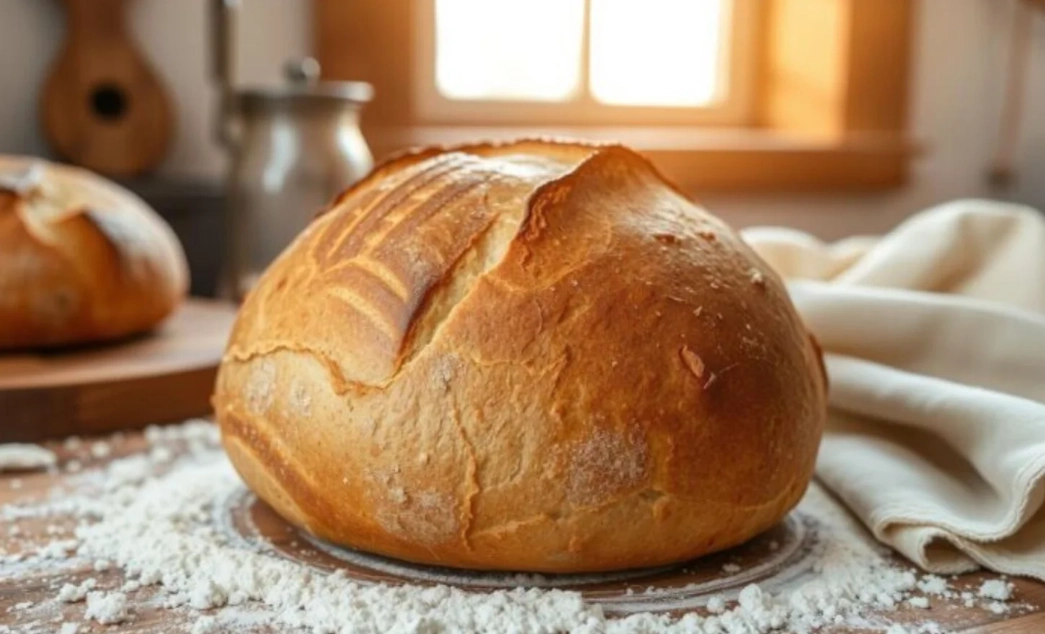
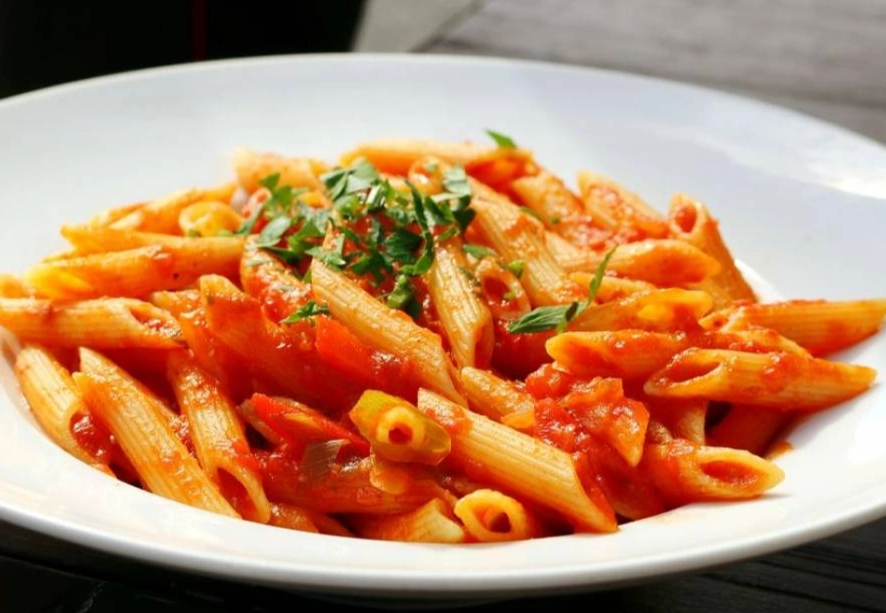
Let's be honest. When you first hear "gluten-free," your mind might jump to dry, crumbly bread and flavorless cardboard masquerading as pizza. I've been there. After my celiac disease diagnosis a decade ago, I spent months mourning the loss of my favorite foods before realizing something crucial: gluten-free cooking isn't about deprivation. It's about rediscovery. This guide is the one I wish I'd had—a practical, no-nonsense roadmap to building a gluten-free kitchen that's vibrant, delicious, and far from boring. We'll move beyond basic substitutions and dive into recipes and techniques that work for real life.
What You'll Find in This Guide
The Biggest Gluten-Free Myth (And Why It's Wrong)
The most damaging idea floating around is that all gluten-free food is inherently healthier. This is a marketing trap. A gluten-free cookie is still a cookie, often loaded with extra sugar and fat to compensate for texture. The real health benefit comes from focusing on whole, naturally gluten-free foods—vegetables, fruits, lean proteins, rice, quinoa—and using processed gluten-free products as occasional conveniences, not staples.
Another subtle mistake? Assuming all "wheat-free" products are safe for celiacs. "Wheat-free" doesn't automatically mean gluten-free; barley and rye are still in play. Always look for the certified gluten-free label if you have celiac disease or a severe sensitivity.
Your New Gluten-Free Pantry Essentials
Forget trying to replicate wheat flour with a single alternative. The key is blending. Here’s what you actually need to get started, moving beyond the overpriced pre-made mixes.
| Flour/Starch | Best Used For | Flavor & Texture Note |
|---|---|---|
| Almond Flour | Cookies, muffins, crusts | Nutty, moist, dense. Adds protein. |
| Oat Flour (Certified GF) | Pancakes, quick breads | Heartier texture, mild sweetness. |
| Rice Flour (Brown/White) | Base for blends, thickening | Neutral flavor, can be gritty alone. |
| Tapioca Starch/Flour | Adding chew & elasticity | Essential for bread-like textures. |
| Potato Starch | Lightening blends, moisture | Not potato flour! Makes things tender. |
Other non-negotiables: Tamari or certified gluten-free soy sauce (most regular soy sauce contains wheat), pure oats labeled gluten-free (oats are often cross-contaminated), and a dedicated toaster if you have celiac disease. It's a small investment for peace of mind.
3 Can't-Mess-Up Gluten-Free Dinner Recipes
These are my weeknight heroes. They're built on whole foods, require no special skills, and deliver on flavor every time.
1. One-Pan Lemon Herb Chicken & Potatoes
This is the ultimate "I have no time" meal. The potatoes cook in the chicken juices, and everything gets gloriously crispy.
What you need: Chicken thighs (bone-in, skin-on for max flavor), baby potatoes, a lemon, olive oil, dried rosemary, garlic powder, salt, pepper.
The simple move: Toss it all on a sheet pan. Roast at 425°F (220°C) for 40-45 mins. Done. Serve with a simple green salad—no need for a separate starch.
2. Hearty Quinoa & Black Bean "Bowl"
Bowl meals are a gluten-free person's best friend. Endlessly customizable, nutrient-dense, and naturally safe.
Base: Cooked quinoa (follow package directions—rinse it first to remove bitterness).
Add: Canned black beans (rinsed), roasted sweet potato cubes, diced avocado, fresh corn.
Dressing: Lime juice, olive oil, cumin, a pinch of chili flakes. Mash some of the avocado into the dressing for creaminess. This holds up in the fridge for lunches perfectly.
3. 20-Minute Garlic Shrimp with Zucchini Noodles
When you want pasta but don't want the heavy blend. A spiralizer is cheap and a game-changer.
Sauté minced garlic in olive oil for 30 seconds until fragrant. Add raw shrimp and cook until pink. Toss in your raw or lightly sautéed zucchini noodles ("zoodles") just to warm through. Finish with fresh parsley, lemon zest, and a sprinkle of Parmesan (check that it's gluten-free—most are, but some anti-caking agents aren't). It's light, fast, and satisfies that noodle craving.
The Secret to Easy Gluten-Free Baking
Gluten gives elasticity and structure. Without it, you need binders. This is the non-negotiable rule most beginners miss.
Xanthan Gum or Psyllium Husk Powder are not optional in most baked goods. They act as the glue. For a standard loaf of bread or batch of muffins, 1 teaspoon of xanthan gum per cup of gluten-free flour blend is a good starting point. Too much, and it gets gummy. Too little, and it crumbles.
My Go-To Blueberry Muffin Formula
This works every single time. Mix dry: 2 cups all-purpose GF flour blend, 3/4 cup sugar, 2 tsp baking powder, 1/2 tsp salt, 1 tsp xanthan gum. Mix wet: 1/2 cup milk (any kind), 1/2 cup oil or melted butter, 2 eggs, 1 tsp vanilla. Combine wet and dry, fold in 1 cup blueberries. Bake at 375°F (190°C) for 22-25 minutes. Let them cool completely in the pan—GF baked goods are fragile when hot.
Don't overmix the batter. Gluten-free batters are often thicker and lumpier than wheat-based ones. That's okay. Just get the flour incorporated and stop.
Keeping Your Kitchen Safe (Beyond the Label)
For those with celiac disease, cross-contamination is the invisible enemy. It's not just about separate bread. Here's what often gets overlooked:
- Condiments: Double-dipping a knife with regular bread into the mayo, peanut butter, or jam jar contaminates the entire jar. Have separate jars or use squeeze bottles.
- Wooden utensils & cutting boards: They harbor gluten in their pores. Use plastic or silicone for gluten-free prep.
- Colanders: Pasta residue is nearly impossible to fully clean out. A dedicated, inexpensive colander is essential.
- Airborne flour: If someone is baking with regular flour in your kitchen, the particles can stay airborne for hours and settle on surfaces. It's a real risk.
The Celiac Disease Foundation is an excellent resource for detailed safety protocols. Clean surfaces meticulously before preparing gluten-free food. It feels like a hassle at first, but it becomes second nature.
Your Gluten-Free Cooking Questions, Answered
What's a good, cheap gluten-free flour for thickening soups and sauces?
Skip the fancy blends here. Cornstarch or arrowroot powder are your best friends. They're inexpensive, naturally gluten-free, and create a clear, glossy thickener. Use about 1 tablespoon mixed with 2 tablespoons of cold water to form a "slurry," then whisk it into your simmering liquid. Potato starch also works well but can be slightly more expensive.
My gluten-free bread always turns out dense and gummy. What am I doing wrong?
You're probably under-baking it. Gluten-free bread dough is more like a thick batter and retains more moisture. It needs longer at a slightly lower temperature to set properly without burning. Try reducing the oven temp by 25°F (about 15°C) and extending the bake time by 10-15 minutes. Also, let it cool completely in the pan—slicing it warm guarantees a gummy, collapsed loaf.
Is it possible to make good gluten-free fried chicken or battered fish?
Absolutely, but the technique changes. A 50/50 mix of rice flour and cornstarch gives incredible crunch. The real trick is the double-dip: dredge in your seasoned flour mix, then into buttermilk (or a milk/egg wash), then back into the flour. Let it sit for 5-10 minutes before frying to let the coating set. This prevents it from sloughing off in the oil. Fry at a steady 350°F (175°C) for a golden, crispy crust that holds.