Let's cut to the chase. You're tired of feeling exhausted, scrolling through "sleep hacks" that don't work, and watching the clock tick past 2 AM. Improving your sleep cycle isn't about one magic trick; it's about retraining your body's internal clock, your circadian rhythm. I spent years as a night owl, thinking I was broken, until I understood how this system actually works. The good news? It's remarkably trainable. This guide gives you the concrete steps, based on solid science and hard-won personal experience, to reset your sleep cycle for good. No fluff, just what works.
Your Quick Sleep Fix Roadmap
- Understanding Your Sleep Cycle (Circadian Rhythm)
- How to Reset Your Sleep Cycle Using Light
- How to Build a Wind-Down Routine That Actually Works
- The Role of Food, Exercise, and Your Environment
- The 3 Most Common Sleep Cycle Mistakes (And How to Fix Them)
- Natural Sleep Aids and Supplements: What Actually Works?
- Frequently Asked Questions (Sleep Cycle Edition)
Understanding Your Sleep Cycle (Circadian Rhythm)
Think of your circadian rhythm as a 24-hour internal CEO running your body. It tells your brain when to release melatonin (the sleep hormone), regulates your body temperature, and controls digestion. This CEO takes its cues primarily from light. When light hits your eyes in the morning, it tells the CEO, "It's go time!" suppressing melatonin and boosting cortisol for alertness. As darkness falls, the CEO flips the switch for sleep.
The problem? Modern life bombards this CEO with confusing signals. Bright screens at night shout "DAYTIME!" while dim offices in the morning whisper "still night...". The CEO gets confused, your melatonin release gets delayed, and suddenly you're wide awake at bedtime. Research from the National Sleep Foundation consistently shows that light exposure is the most powerful regulator of this cycle. Before you can fix your sleep, you need to respect this fundamental biology.
How to Reset Your Sleep Cycle Using Light
This is your most powerful lever. You're not just avoiding blue light at night; you're strategically using light all day.
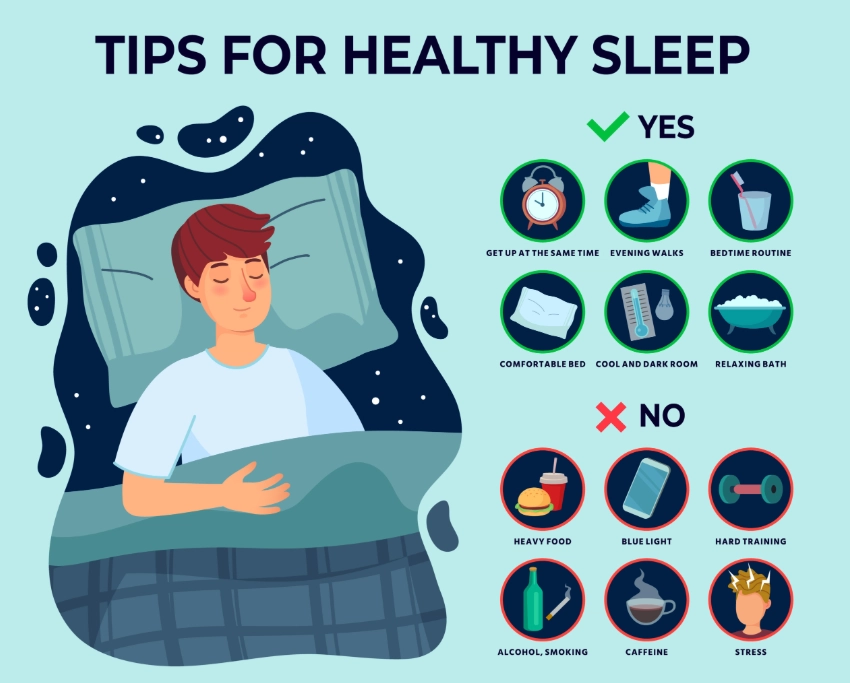
- Morning (Within 30-60 mins of waking): Get 10-30 minutes of bright, outdoor light. No sunglasses. Don't stare at the sun, just be outside. Cloudy day? It's still 10x brighter than indoor lighting. This is non-negotiable. It sets your timer for the day.
- Daytime: Work near a window. Take walking breaks outside. The goal is to reinforce the "day" signal.
- Evening (2-3 hours before bed): Dim overhead lights. Use table lamps. On your devices, enable Night Shift or f.lux, but understand these are a weak fix. The real goal is to reduce overall light intensity.
- Bedtime: Pitch black. I mean it. Cover LED lights, use blackout curtains. Even small amounts of light can fragment sleep. A sleep mask is a great investment.
I used to think my phone's night mode was enough. It's not. Your brain is still processing the brightness and content. The single biggest shift for me was committing to the morning light walk. It felt silly at first, but within three days, my evening drowsiness started appearing predictably.
How to Build a Wind-Down Routine That Actually Works
A routine signals to your "CEO" that the workday is over. It should be boring and consistent. Your goal is to lower your core body temperature and calm the nervous system.
Here’s a sample 60-minute pre-bed routine you can adapt:
- T-60 minutes: No more work. Seriously. Close the laptop. Set a hard stop. This mental shift is critical.
- T-45 minutes: Dim the lights (as discussed). Do something calming: light stretching, listen to a podcast (not news), or read a physical book. Audiobooks are fantastic because they engage your mind without the light.
- T-30 minutes: Personal hygiene. A warm (not hot) shower or bath is perfect. The rise and subsequent drop in body temperature mimics the natural drop that triggers sleepiness.
- T-15 minutes: Prepare for tomorrow. Lay out clothes, pack your bag. This quiets the "what did I forget?" anxiety.
- T-5 minutes: In bed. Practice a simple breathing technique: 4 seconds in, 7-second hold, 8 seconds out. Repeat 5 times.
The key is consistency. Doing this even 80% of the time builds a powerful association.
The Role of Food, Exercise, and Your Environment
These are supporting actors to your light and routine leads.
Food & Drink
Avoid large, heavy meals within 3 hours of bed. Digestion raises your core temperature. Be wary of hidden caffeine (chocolate, some medications) and alcohol. Alcohol may help you fall asleep, but it wrecks sleep quality later in the night, as noted in studies from Johns Hopkins Medicine. A small snack like a banana or a handful of almonds is fine if you're truly hungry.
Exercise
Regular exercise is fantastic for sleep depth. But timing matters. Intense exercise too close to bedtime can be overstimulating for some. Finish vigorous workouts at least 2-3 hours before bed. Gentle yoga or stretching in the evening, however, is excellent.
Environment
Your bedroom should be a cave: cool, dark, and quiet. Aim for around 65°F (18°C). Use white noise or a fan to mask disruptive sounds. Your bed is for sleep and intimacy only—no work, no eating, no doomscrolling. This strengthens the mental association between bed and sleep.
The 3 Most Common Sleep Cycle Mistakes (And How to Fix Them)
Everyone talks about what to do. Let's talk about what you're probably doing wrong.
Mistake 1: The Weekend "Catch-Up" Lie
Sleeping in on Saturday feels amazing, but it's like flying from New York to LA every weekend. You give yourself social jet lag. Your CEO has no idea what time it is come Sunday night.
The Fix: Keep your wake-up time within 60 minutes of your weekday time, even on weekends. If you must, go to bed a bit earlier to get extra rest, but protect that wake-up.
Mistake 2: Using Your Bed for Everything *But* Sleep
Working, watching thrilling shows, or arguing on social media from your bed teaches your brain that the bed is a place of alertness and stress.
The Fix: Be ruthless. If you're not sleeping (or engaged in intimate activity), get out of bed after 20 minutes of wakefulness. Go to another room, do something boring in dim light, and only return when you feel sleepy.
Mistake 3: Ignoring Your Pre-Sleep "Light Diet"
You dim the lights but then watch an intense thriller or scroll through stressful work emails. The emotional and cognitive arousal is just as damaging as the blue light.
The Fix: Your wind-down routine needs to be genuinely relaxing. Choose content that is neutral or positive. I switched from news podcasts to history or comedy. The difference in my ability to quiet my mind was stark.
Natural Sleep Aids and Supplements: What Actually Works?
Supplements are a band-aid, not a cure. Use them to support the behavioral changes above, not replace them. Here’s a realistic look at popular options.
| Supplement | What It Is / Does | Evidence & My Take | Typical Dose & Timing |
|---|---|---|---|
| Melatonin | Your body's sleep hormone. Supplements are synthetic. | Effective for resetting circadian rhythm (jet lag, shift work). Not a great "every night" sleep pill for most. Can cause grogginess. | 0.5mg - 3mg, 30-60 min before bed. Start low. |
| Magnesium Glycinate/Bisglycinate | A mineral involved in hundreds of processes, promotes muscle relaxation. | Good evidence for improving sleep quality, especially if deficient. Less sedating, more supportive. Fewer GI issues than other forms. | 200-400mg, 1-2 hours before bed. |
| L-Theanine | An amino acid found in green tea. Promotes relaxation without drowsiness. | Good for calming an anxious, racing mind at bedtime. Not a strong sedative. | 100-400mg, 30-60 min before bed. |
| Valerian Root | An herbal supplement. | Mixed evidence. Some find it helpful, others notice no effect. Can have a "dirty" feeling for some. Smells strong. | As per product label. Try on a night you don't need to be sharp the next morning. |
Frequently Asked Questions (Sleep Cycle Edition)
Improving your sleep cycle is a skill. It requires patience and consistency, not perfection. Start with one thing—maybe the morning light or a fixed wake-up time. Master it, then add another. The payoff isn't just better sleep; it's more energy, a clearer mind, and a stronger foundation for your health. You've got this.