Let's be honest. Most packing lists are useless. They tell you to bring a toothbrush and underwear. Really? You needed a blog post to remember that? The real challenge isn't listing every possible item; it's knowing what to leave behind for your specific trip. A weekend in New York City demands a completely different suitcase than a week hiking in Utah. I've spent the last decade traveling across the U.S., and my biggest packing victory wasn't what I brought, but what I finally learned to leave at home.
This guide throws out the one-size-fits-all approach. We're building your packing list from the ground up, based on where you're going, what you're doing, and who you're with. No fluff, just the stuff that matters.
Your Quick Packing Jumpstart
Why Most Packing Lists Set You Up to Fail
They operate on a fantasy. The fantasy that a business traveler to Chicago has the same needs as a family driving to Disney World. They cause overpacking—the root of all travel stress. You end up lugging a heavy bag, paying for checked luggage you didn't need, and wasting five minutes every morning digging for that one shirt.
My rule? Your destination and itinerary write your packing list. Before you put a single sock in your bag, answer these three questions:
- Climate & Weather: Check the forecast, but also the average temps and chance of rain. San Francisco in summer is chilly. Arizona in spring can have wild temperature swings.
- Daily Activities: Write down a loose schedule. Tuesday: museum tour, nice dinner. Wednesday: all-day hike. Your clothes and gear will follow.
- Lodging & Laundry: Staying at a hotel with a gym and pool? Pack accordingly. Have access to a washer/dryer? You can cut your clothing in half.
The Non-Negotiable Core Essentials (Everyone Needs These)
Think of this as your travel foundation. These items live in my bag, trip after trip. Forget them, and you'll feel it immediately.
Documents & Money
Driver's license or REAL ID (mandatory for domestic flights now). One or two major credit/debit cards (notify your bank). Health insurance card. A bit of cash ($50-100 in small bills for tips, parking, farmers' markets). I also take a photo of my ID and cards and store it securely in my phone—a lifesaver if my wallet goes missing.
The Absolute Must-Have Tech
Phone and its charger. A portable power bank (10,000 mAh is the sweet spot). Earbuds/headphones. For longer trips, a tablet or e-reader. The one tech item most people forget? A universal travel adapter with multiple USB ports. Even domestically, hotel outlets are often scarce or poorly placed. A compact power strip can save a family argument.
Health & Toiletries Kit
Prescription medications (in original bottles if flying). A basic first-aid kit: band-aids, antiseptic wipes, pain reliever (ibuprofen/acetaminophen), anti-diarrheal, antacid. My personal addition: blister pads. Nothing ruins a day of sightseeing faster than a new shoe blister. For toiletries, decant into small travel bottles. Don't rely on hotel shampoo if you have specific hair needs.
Your Scenario-Based Packing Blueprint
This is where we get specific. Choose your adventure.
The 4-Day Urban City Break (e.g., New York, Chicago, San Francisco)
Goal: Look put-together, walk 10 miles a day, be ready for a nice dinner.
- Clothing Strategy (Capsule Wardrobe): 2 pairs of versatile pants (dark jeans, chinos). 3-4 tops that mix & match. 1 lightweight sweater or blazer. 1 dress or collared shirt for a nice meal. Comfortable walking shoes (broken-in, stylish sneakers like Allbirds or Cole Haan Zerogrand). 1 pair of compact flats or loafers. 5 sets of socks & underwear.
- Gear: A secure, lightweight crossbody bag for daily use. A foldable tote for unexpected purchases. A reusable water bottle. Download the city's transit app (e.g., MTA for NYC, Ventra for Chicago) before you go.
- Leave Behind: Multiple pairs of bulky shoes, expensive jewelry, a giant guidebook.
The 7-Day National Park & Outdoor Adventure (e.g., Yellowstone, Zion, Acadia)
Goal: Be comfortable, protected, and self-sufficient in variable conditions.
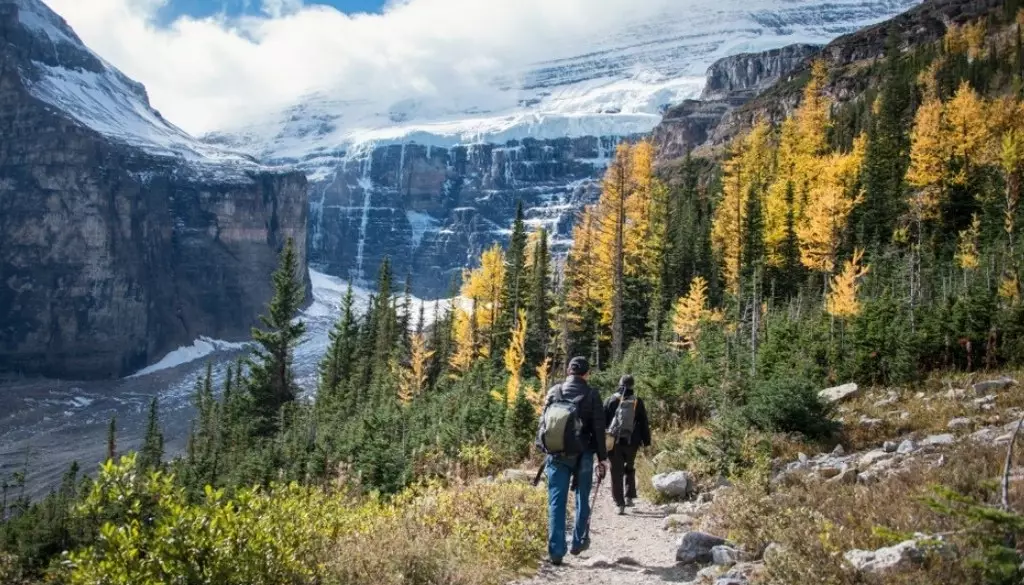
- Clothing Strategy (Layering System): Moisture-wicking base layers (synthetic or merino wool). Mid-layer fleece or puffy jacket. Waterproof & windproof outer shell. Quick-dry hiking pants/shorts. 2-3 hiking shirts. Sturdy, broken-in hiking boots. Sandals for camp/car. Hat, sunglasses, and a buff or neck gaiter.
- Gear: A quality daypack (20-30L) with a hydration bladder. Trekking poles (if needed). Headlamp with extra batteries. Quick-dry towel. National Parks Pass if you have one. Detailed maps (don't rely solely on phone service).
- Leave Behind: Cotton jeans and sweatshirts (they stay wet and cold), fancy clothes, heavy hardcover books.
The Family Road Trip (With Kids)
Goal: Sanity. Pack for convenience, entertainment, and minor emergencies.
| Category | Essentials | Pro-Tip / Common Oversight |
|---|---|---|
| Comfort & Cleanliness | Car seat, travel stroller, pack-n-play, favorite small blanket/stuffed animal. | Pack a dedicated "car sickness kit": gallon zip bags, paper towels, wet wipes, change of clothes for each kid within easy reach. |
| Entertainment | Tablet with downloaded shows/movies, headphones, coloring books, audiobooks, small surprise toys for each leg of the trip. | Rotate toys every few hours. A cookie sheet makes a great lap desk for magnets, coloring, or snacks. |
| Snacks & Drinks | Reusable water bottles, spill-proof snack containers, variety of healthy-ish snacks (granola bars, fruit pouches, crackers). | Pre-portion everything into individual bags. It prevents fights and limits mess. |
| Health | Kid-specific meds (dose measured), children's pain/fever reliever, plenty of bandaids (fun shapes!), hand sanitizer. | Keep a separate, easily accessible small bag for just these items. Digging through the main suitcase for baby Tylenol at 2 a.m. is a nightmare. |
The Packing Method That Saves Space & Sanity
Rolling clothes is better than folding. But the real game-changer is packing cubes. I use them to compartmentalize by category: one cube for underwear/socks, one for tops, one for bottoms. For a family, use a different color cube for each person. It turns your suitcase from a black hole into a set of drawers.
My process:
- Lay everything you think you need on your bed.
- Remove 3 items. Seriously, you won't miss them.
- Roll items tightly and pack them into cubes, placing heavier items at the wheel-end of your suitcase.
- Put your in-flight essentials (charger, headphones, book) and one change of clothes in your personal item. If your checked bag gets delayed, you're covered for 24 hours.
For carry-on only? Wear your bulkiest shoes and jacket on the plane.
The 1-Hour-Before-You-Leave Checklist
The packing is done. Now, secure your home and finalize travel details.
- Home: Adjust thermostat. Take out trash. Unplug non-essential appliances. Set lights on timers. Pause mail delivery or ask a neighbor to collect it (USPS Hold Mail Service is free).
- Travel: Check in online if possible. Download boarding passes to your phone's wallet. Confirm hotel/car rental reservations. Check traffic or airport security wait times (the TSA App is useful).
- Final Bag Check: Phone/wallet/keys? Medications? Phone charger? Travel docs? Did you empty the dishwasher? (Coming home to a clean sink is a small joy.)